
Section 1: Why Structure Matters More Than You Think
From Raw Knowledge to Clear Signals
In machine learning interviews, candidates often assume that knowledge is the primary differentiator. They focus on mastering algorithms, revising concepts, and practicing problems. While this preparation is necessary, it is not sufficient. At companies like Google, Meta, and Amazon, interviewers frequently encounter candidates who have similar levels of technical expertise. What separates them is not what they know, but how they present what they know.
Structure transforms knowledge into a signal. Without structure, even strong ideas can appear scattered or incomplete. With structure, those same ideas become clear, coherent, and easy to evaluate. Interviewers are not just listening for correctness, they are observing how candidates organize their thinking and communicate it effectively.
This is why top candidates rarely answer questions in an unstructured way. They follow a deliberate approach that makes their reasoning visible. This approach is often subtle, but it has a significant impact on how their answers are perceived.
The Problem with Unstructured Answers
Unstructured answers create friction.
Candidates who jump between ideas, introduce concepts without context, or fail to connect different parts of their explanation make it difficult for interviewers to follow their reasoning. Even if the underlying solution is correct, the lack of structure weakens the overall impression.
In many cases, unstructured answers also lead to incomplete coverage. Important aspects of the problem, such as data considerations, evaluation metrics, or system constraints, may be overlooked. This creates gaps in the answer and reduces confidence in the candidate’s understanding.
Another issue is inconsistency. Without a clear framework, candidates may contradict their own assumptions or change direction without explanation. This introduces uncertainty, which is a critical factor in hiring decisions.
How Top Candidates Use Frameworks
Top candidates approach interviews differently. They rely on frameworks.
A framework is not a rigid template, it is a mental model that helps organize thinking. It provides a starting point, guides the flow of the answer, and ensures that key aspects of the problem are addressed.
For example, when faced with an ML system design question, a strong candidate might naturally think in terms of data, modeling, evaluation, and deployment. This structure allows them to cover the problem comprehensively while maintaining clarity.
Frameworks also help in handling complexity. Open-ended questions can involve multiple layers, and without a structured approach, it is easy to lose track. A framework provides a way to navigate this complexity systematically.
This idea is reinforced in “How to Think Aloud in ML Interviews: The Secret to Impressing Every Interviewer”, which explains how structured communication and reasoning significantly improve interview performance.
Structure as a Signal of Thinking Quality
Structure is not just about organization, it is a signal of how you think.
When candidates present their answers in a clear and logical sequence, it indicates that their thinking is organized. This creates confidence in their ability to handle complex problems.
On the other hand, disorganized answers suggest gaps in reasoning or difficulty in managing complexity. Even if the candidate has the right ideas, the lack of structure can make them appear less reliable.
This is why interviewers pay close attention to how answers are structured. It provides insight into how candidates will approach real-world problems, where clarity and organization are essential.
The Key Takeaway
Structure is not an optional enhancement; it is a core component of strong ML interview performance. It transforms knowledge into clear signals, improves communication, and provides a framework for handling complex problems. Candidates who develop structured approaches to answering questions are better equipped to stand out in competitive interviews.
Section 2: Core ML Answer Frameworks Used by Top Candidates
The Need for Repeatable Frameworks in ML Interviews
Once candidates understand that structure matters, the next step is developing repeatable frameworks that can be applied across different types of ML interview questions. At companies like Google, Meta, and Amazon, top candidates are not improvising their answers from scratch every time. Instead, they rely on well-practiced mental models that help them organize their thinking quickly and consistently.
These frameworks serve multiple purposes. They reduce the cognitive load of deciding how to start, ensure that key components of the problem are covered, and provide a clear structure that interviewers can follow. Most importantly, they create consistency across different questions, which is a strong signal of reliability.
Without a framework, candidates often default to reactive thinking. They respond to parts of the question as they come to mind, which leads to fragmented answers. With a framework, they proactively guide the discussion, ensuring that their response is both comprehensive and coherent.
This is why frameworks are not just helpful, they are essential for delivering strong, structured answers under pressure.
The DME Framework: Data, Model, Evaluation
One of the most widely used frameworks in ML interviews is the Data–Model–Evaluation (DME) approach.
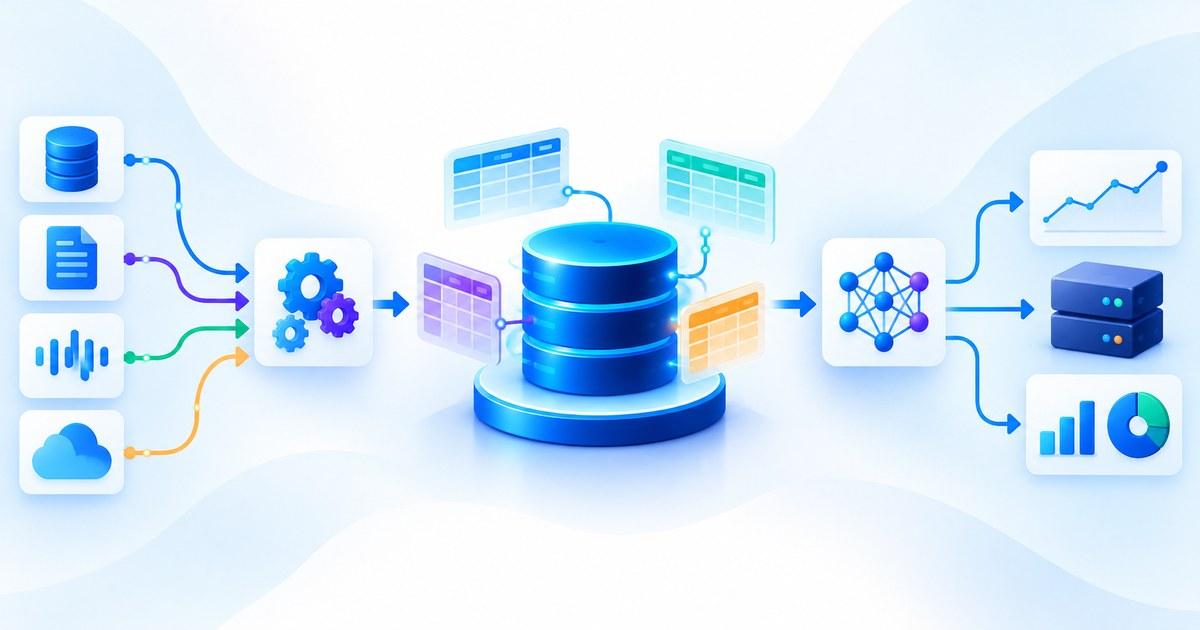
Strong candidates naturally think in this sequence because it mirrors how machine learning systems are built in practice. The process begins with data, because the quality and nature of the data fundamentally determine what is possible. Candidates discuss data sources, preprocessing steps, potential issues such as bias or missing values, and how these factors influence the problem.
Once the data is understood, the focus shifts to the model. Instead of jumping directly to a specific algorithm, strong candidates explain how the problem type and data characteristics guide model selection. They may compare different approaches and justify their choice based on constraints and objectives.
Evaluation comes next. Candidates define metrics that align with the problem’s success criteria and explain how performance will be measured. They may also discuss validation strategies and potential pitfalls such as overfitting.
The strength of the DME framework lies in its simplicity and completeness. It ensures that candidates cover the core components of any ML problem while maintaining a logical flow.
The End-to-End System Framework
For more complex or open-ended questions, top candidates extend their approach to an end-to-end system framework.
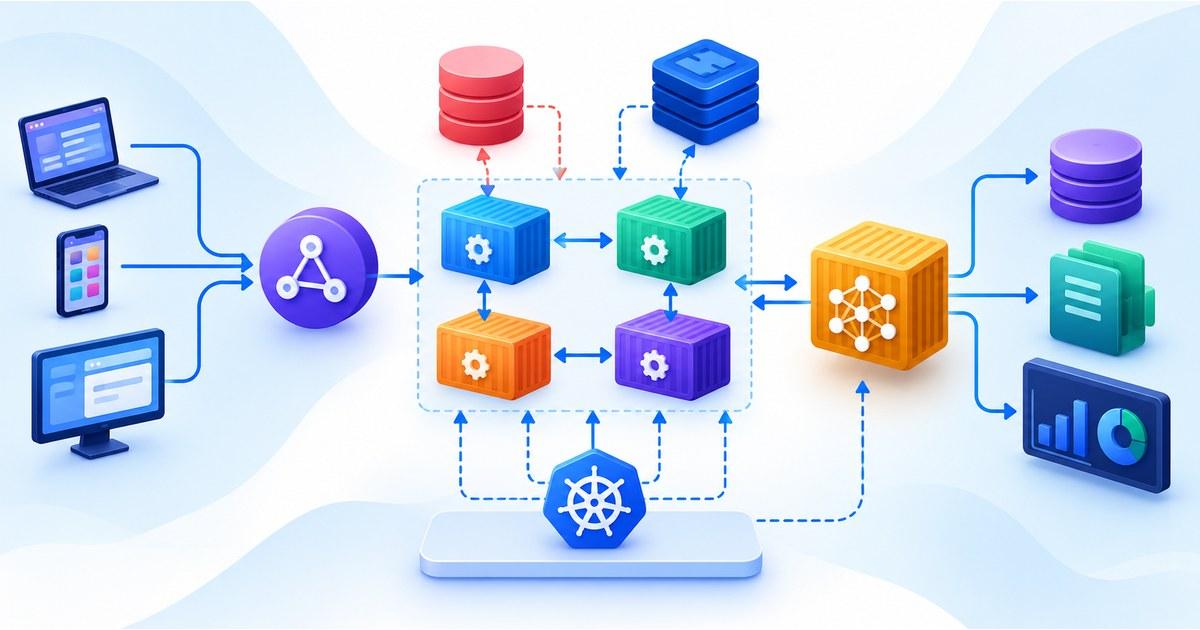
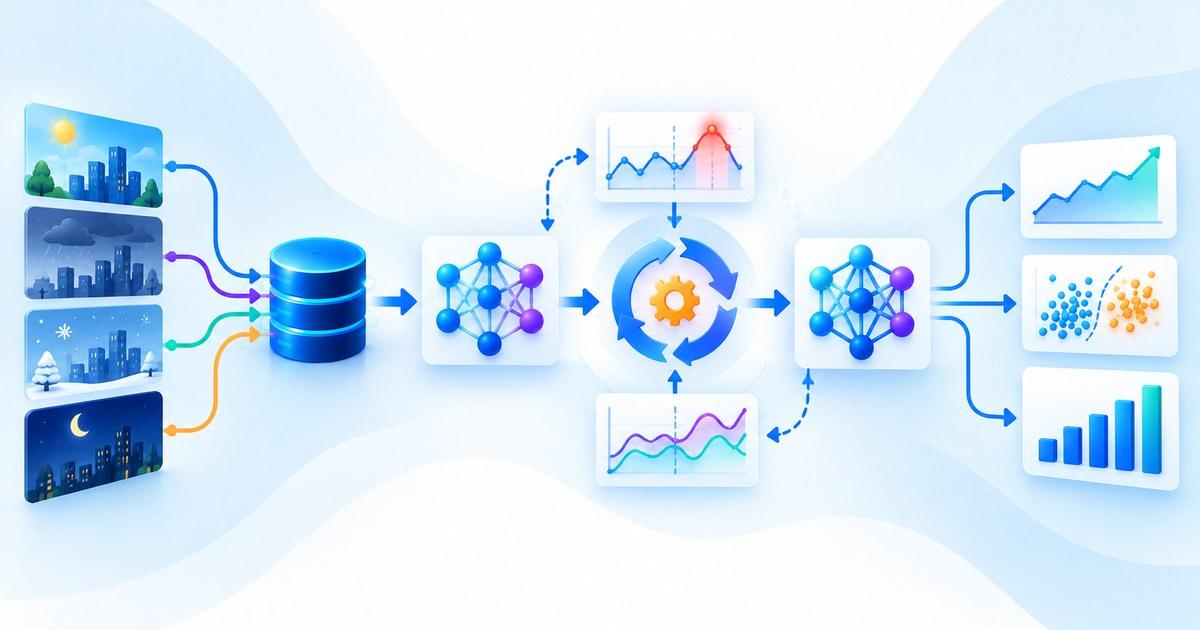
In this framework, candidates think beyond the model and consider the entire lifecycle of an ML system. This includes data collection, feature engineering, model training, deployment, monitoring, and iteration.
The discussion begins with defining the problem and understanding the data pipeline. Candidates then move to modeling and evaluation, but they do not stop there. They also address how the model will be deployed, how it will scale, and how its performance will be monitored over time.
This broader perspective demonstrates real-world awareness. It shows that the candidate understands that ML systems are not just about building models, they are about delivering and maintaining solutions in production.
Strong candidates also incorporate trade-offs into this framework. They discuss how decisions at each stage affect other parts of the system, such as how model complexity impacts latency or how data quality affects reliability.
This approach is particularly effective in system design interviews, where the goal is to assess the candidate’s ability to think holistically.
This framework is emphasized in “End-to-End ML Project Walkthrough: A Framework for Interview Success”, which highlights how covering the full lifecycle of an ML system strengthens interview performance .
The Problem → Approach → Trade-Offs Framework
Another powerful framework used by top candidates is the Problem → Approach → Trade-Offs model.
This framework is especially useful for open-ended questions where multiple solutions are possible. It begins with clearly defining the problem and establishing success criteria. This ensures alignment before moving into solutions.
The next step is outlining the approach. Candidates describe their proposed solution, including key components and reasoning. This is where they demonstrate their technical knowledge and problem-solving ability.
The final step is discussing trade-offs. Candidates compare their approach with alternatives, explain the advantages and limitations, and justify their decisions based on constraints. This adds depth and realism to the answer.
The strength of this framework is that it integrates clarity, reasoning, and practicality. It ensures that answers are not just correct, but also well-justified and context-aware.
Choosing the Right Framework for the Question
Top candidates do not use the same framework for every question. They adapt their approach based on the problem type.
For example, a modeling question may be best addressed using the DME framework, while a system design question may require an end-to-end approach. Open-ended questions may benefit from the Problem → Approach → Trade-Offs structure.
The ability to choose and adapt frameworks demonstrates flexibility and maturity. It shows that the candidate is not relying on rigid templates, but is using frameworks as tools to guide their thinking.
The Key Takeaway
Frameworks are the foundation of structured answers in ML interviews. They provide a repeatable way to organize thinking, ensure completeness, and improve clarity. Top candidates rely on frameworks such as Data–Model–Evaluation, end-to-end system design, and Problem → Approach → Trade-Offs to navigate different types of questions effectively. By developing and practicing these frameworks, candidates can transform their answers into clear, coherent, and compelling responses that stand out in competitive interviews.
Section 3: Applying Frameworks in Real ML Interview Scenarios
From Theory to Execution: Using Frameworks Under Pressure
Understanding frameworks is one thing; applying them effectively in an interview is another. At companies like Google, Meta, and Amazon, candidates are evaluated in real time, often under pressure, with limited time to think and respond.
This is where frameworks prove their real value.
Strong candidates do not pause to figure out how to structure their answers, they default to a framework automatically. This allows them to start confidently, maintain clarity, and avoid the common trap of fragmented thinking. Instead of reacting to the question, they guide the conversation.
For example, when presented with an open-ended ML problem, a strong candidate might begin by framing the problem, then move into data considerations, followed by modeling and evaluation. This progression happens naturally because it has been practiced.
Candidates who lack this preparation often hesitate at the start. They may jump into partial solutions or speak in an unstructured way, which weakens their overall signal. The difference is not knowledge, it is execution under pressure.
Applying Frameworks to Different Types of ML Questions
ML interviews typically include a variety of question types, and each requires a slightly different application of frameworks.
For modeling questions, candidates often rely on the Data–Model–Evaluation structure. They begin by discussing the data, then move to model selection, and finally explain how they would evaluate performance. This ensures that the answer is both complete and logically organized.
For system design questions, the approach expands into an end-to-end framework. Candidates consider not just the model, but also data pipelines, deployment, scalability, and monitoring. This demonstrates a broader understanding of ML systems.
For open-ended or product-focused questions, candidates often use a Problem → Approach → Trade-Offs structure. They define the problem, propose a solution, and then discuss alternatives and constraints. This adds depth and realism to their answer.
The key is not to memorize multiple frameworks, but to understand how to adapt them. Strong candidates recognize the nature of the question and choose the framework that best fits the context.
This adaptability is highlighted in “What FAANG Recruiters Really Look for in ML Engineers”, which emphasizes that structured thinking and clarity of approach are critical differentiators in interview performance .
Handling Follow-Ups While Maintaining Structure
One of the most challenging aspects of ML interviews is handling follow-up questions.
Interviewers often introduce new constraints, ask for deeper explanations, or explore alternative approaches. These follow-ups are designed to test how well candidates can adapt while maintaining clarity.
Strong candidates treat follow-ups as extensions of their framework. Instead of abandoning their structure, they update it. They revisit assumptions, adjust components, and explain how their approach evolves.
For example, if a latency constraint is introduced, a candidate might revisit their model choice within the same framework and discuss lighter alternatives. If scalability becomes a concern, they might expand their system design to address it.
This ability to adapt without losing structure is a powerful signal. It shows that the candidate can handle dynamic situations while maintaining control over their reasoning.
Candidates who lack structure often struggle here. They may become disorganized, contradict earlier statements, or restart their answer entirely. This creates inconsistency and weakens their evaluation.
The Key Takeaway
Applying frameworks effectively is what transforms preparation into performance. Strong candidates use frameworks to start confidently, adapt to different question types, handle follow-ups, and manage time efficiently. By practicing how to apply frameworks in real scenarios, candidates can ensure that their answers remain clear, structured, and impactful, even under pressure.
Section 4: Common Mistakes When Using Frameworks (and How to Fix Them)
Treating Frameworks as Rigid Templates Instead of Flexible Tools
One of the most common mistakes candidates make is treating frameworks as fixed templates that must be followed mechanically. At companies like Google, Meta, and Amazon, interviewers can quickly identify when a candidate is forcing a memorized structure onto a problem rather than thinking through it naturally.
Frameworks are meant to guide thinking, not restrict it. When candidates apply them rigidly, their answers can feel unnatural and disconnected from the question. For example, a candidate might try to discuss deployment considerations in a simple modeling question where it is not relevant. This creates unnecessary complexity and weakens the overall response.
Strong candidates use frameworks flexibly. They adapt them based on the problem, emphasizing the most relevant components and adjusting the flow as needed. This creates answers that are both structured and context-aware.
To fix this mistake, candidates should focus on understanding the purpose of each part of the framework rather than memorizing its sequence. This allows them to apply it more naturally and effectively.
Over-Structuring and Losing Depth
Another common issue is over-structuring.
Candidates sometimes focus so much on following a framework that they lose depth in their explanations. They move quickly from one section to another without fully exploring their reasoning. This results in answers that are well-organized but shallow.
For example, a candidate might briefly mention data, model, and evaluation without explaining why certain choices are made. While the structure is present, the lack of depth reduces the strength of the answer.
Strong candidates balance structure with depth. They use the framework to organize their thinking, but they take the time to explain key decisions, discuss trade-offs, and provide insights. This ensures that their answer is both clear and meaningful.
To avoid over-structuring, candidates should prioritize quality over coverage. It is better to explore fewer aspects in depth than to cover everything superficially.
Failing to Connect Different Parts of the Framework
A well-structured answer is not just a sequence of steps, it is a connected narrative.
Candidates often treat each part of the framework as separate, without linking them together. For example, they might discuss data and then move to modeling without explaining how the data influences model choice. This creates a fragmented answer.
Strong candidates connect each part of the framework. They explain how earlier decisions impact later ones. For instance, they might describe how data characteristics influence model selection, which in turn affects evaluation metrics.
This interconnected thinking demonstrates a deeper understanding of the problem. It shows that the candidate is not just following a structure, but using it to build a coherent solution.
To fix this mistake, candidates should focus on transitions between sections. Each part of the answer should naturally lead to the next.
Ignoring the Interviewer’s Signals
Frameworks are helpful, but interviews are interactive.
Candidates sometimes become so focused on following their framework that they ignore the interviewer’s cues. They may continue with their planned structure even when the interviewer is trying to steer the discussion in a different direction.
This can create a disconnect. The interviewer may be interested in exploring a specific aspect of the problem, but the candidate continues with their predefined approach. This reduces engagement and can negatively impact evaluation.
Strong candidates remain flexible. They use frameworks as a guide, but they adjust based on the interviewer’s input. If the interviewer asks a follow-up question or introduces a new constraint, they adapt their structure accordingly.
This responsiveness demonstrates collaboration and adaptability, which are important signals in ML interviews.
Not Practicing Framework Application in Real Conditions
Another key mistake is not practicing frameworks in realistic settings.
Candidates may understand frameworks conceptually, but struggle to apply them under time pressure. This leads to hesitation, incomplete answers, or loss of structure during the interview.
Strong candidates practice applying frameworks in mock interviews or timed scenarios. They simulate real conditions, including thinking aloud, handling follow-ups, and managing time constraints. This helps them internalize the framework and use it naturally during the interview.
This approach is emphasized in “Mock Interview Framework: How to Practice Like You’re Already in the Room”, which highlights the importance of practicing structured thinking in realistic environments to improve performance .
Overcomplicating Simple Problems
Frameworks are powerful, but they should not be used to overcomplicate simple questions.
Candidates sometimes apply a full system design framework to a straightforward problem, introducing unnecessary details. This can make the answer harder to follow and distract from the core objective.
Strong candidates match the complexity of their framework to the complexity of the problem. They keep their answers simple when appropriate and expand only when needed.
To avoid this mistake, candidates should assess the scope of the question before deciding how much detail to include.
The Key Takeaway
Frameworks are essential for structuring answers, but they must be used thoughtfully. Treating them as rigid templates, over-structuring, failing to connect ideas, ignoring interviewer cues, and overcomplicating problems can weaken answers. Strong candidates avoid these pitfalls by using frameworks flexibly, maintaining depth, and adapting to the context of the discussion. When used correctly, frameworks enhance clarity, improve communication, and create strong, consistent signals in ML interviews.
Section 5: How to Practice and Internalize ML Frameworks Effectively
Why Practice Matters More Than Knowing Frameworks
Understanding ML interview frameworks intellectually is not enough. Many candidates can describe structures like Data–Model–Evaluation or end-to-end system design, but struggle to apply them fluently during interviews. At companies like Google, Meta, and Amazon, what matters is not whether you know a framework, it is whether you can use it naturally under pressure.
This distinction is critical.
Frameworks are only effective when they become automatic. If you have to consciously think about which step comes next, your answer will feel slow and fragmented. Strong candidates, on the other hand, apply frameworks seamlessly. Their thinking appears structured because it has been practiced repeatedly.
Practice turns frameworks from external tools into internal habits. It reduces hesitation, improves clarity, and ensures consistency across different questions.
Practicing Frameworks Through Active Application
The most effective way to internalize frameworks is through active application, not passive review.
Instead of reading about frameworks or memorizing steps, candidates should apply them to real interview questions. This involves taking a question, structuring the answer using a framework, and explaining it out loud.
Speaking aloud is particularly important. It simulates interview conditions and helps candidates practice articulating their reasoning clearly. It also reveals gaps in understanding that may not be obvious during silent practice.
Another useful approach is repetition across different problem types. Candidates should practice applying the same framework to multiple questions, such as recommendation systems, classification problems, or system design scenarios. This builds flexibility and helps them understand how to adapt the framework to different contexts.
Over time, this repetition creates familiarity. Candidates begin to recognize patterns and apply frameworks instinctively, which improves both speed and confidence.
Using Mock Interviews to Simulate Real Conditions
Mock interviews are one of the most effective ways to practice frameworks.
They introduce elements that are difficult to replicate in solo practice, such as time pressure, follow-up questions, and real-time feedback. These factors are essential for developing the ability to apply frameworks under realistic conditions.
During mock interviews, candidates should focus on maintaining structure while handling interruptions and adapting to new information. This helps them practice staying organized even when the discussion evolves.
Feedback is another critical component. After each mock interview, candidates should review their performance, identify areas where structure was lost, and refine their approach. This iterative process leads to continuous improvement.
This method is emphasized in “Mock Interview Framework: How to Practice Like You’re Already in the Room”, which highlights the importance of realistic practice for mastering structured thinking in interviews .
Building a Personal Framework Style
While standard frameworks provide a strong foundation, top candidates often develop their own variations.
This does not mean creating entirely new structures, but rather adapting existing ones to fit their thinking style. For example, a candidate might naturally combine data and problem framing into a single step, or emphasize trade-offs more heavily in their approach.
Developing a personal style makes frameworks feel more natural. It reduces the risk of sounding mechanical and allows candidates to communicate more fluidly.
However, personalization should not come at the cost of completeness. The core components of the framework must still be covered. The goal is to make the structure intuitive, not to simplify it excessively.
Balancing Speed, Depth, and Clarity
Practicing frameworks also involves learning how to balance competing priorities.
Candidates must manage their time effectively, ensuring that they cover all important aspects of the problem without rushing. They must also balance depth and breadth, deciding when to explore details and when to move forward.
Strong candidates often start with a high-level overview of their framework, then dive deeper into specific areas based on the interviewer’s interest. This approach ensures that the answer is both comprehensive and efficient.
Clarity should remain the priority throughout. Even under time pressure, maintaining a clear and structured explanation is essential.
Turning Frameworks Into Second Nature
The ultimate goal of practice is to make frameworks feel effortless.
When frameworks are internalized, candidates no longer think about them explicitly. Instead, they focus on the problem itself, using the framework as a natural guide for their thinking.
This level of fluency allows candidates to handle unexpected questions, adapt to new constraints, and maintain clarity throughout the interview. It transforms frameworks from tools into instincts.
The Key Takeaway
Mastering ML interview frameworks requires more than understanding, it requires consistent, deliberate practice. By applying frameworks to real problems, practicing aloud, engaging in mock interviews, and refining a personal approach, candidates can internalize these structures and use them naturally under pressure. This ability to think and communicate in a structured way is what distinguishes top candidates in competitive ML interviews.
Conclusion: Structuring Your Thinking to Stand Out
Machine learning interviews are often perceived as tests of knowledge, but in reality, they are evaluations of how effectively that knowledge is structured and communicated. At companies like Google, Meta, and Amazon, candidates who reach advanced stages typically have comparable technical skills. The deciding factor is how clearly and consistently they can present their thinking.
Frameworks play a central role in this process. They provide a reliable way to organize answers, ensure completeness, and maintain clarity under pressure. Whether it is the Data–Model–Evaluation approach, an end-to-end system perspective, or a problem–approach–trade-offs structure, these frameworks help transform raw ideas into coherent and evaluable responses.
However, frameworks alone are not enough. Their effectiveness depends on how naturally they are applied. Candidates who treat frameworks as rigid templates often struggle, while those who internalize them through practice are able to adapt fluidly to different questions and scenarios. This adaptability is critical, especially in open-ended interviews where problems evolve and require continuous refinement.
Another key insight is that structure amplifies all other strengths. It makes reasoning visible, highlights depth, and ensures that important aspects of the problem are not overlooked. Without structure, even strong ideas can appear fragmented. With structure, those ideas become clear, connected, and impactful.
This perspective is reinforced in “What FAANG Recruiters Really Look for in ML Engineers”, which highlights that clarity, structured thinking, and consistent communication are among the most important factors in interview success .
Ultimately, success in ML interviews is not about knowing more, it is about presenting what you know in a way that is easy to understand, evaluate, and trust. By developing and practicing structured frameworks, candidates can significantly improve their ability to communicate effectively and stand out in competitive hiring processes.
Frequently Asked Questions (FAQs)
1. What are ML interview frameworks?
They are structured approaches used to organize answers in machine learning interviews.
2. Why are frameworks important in ML interviews?
They improve clarity, ensure completeness, and make your reasoning easier to evaluate.
3. Do all ML questions require the same framework?
No, different questions require different frameworks depending on their nature.
4. What is the most common ML framework?
The Data–Model–Evaluation (DME) framework is widely used.
5. How do frameworks help in open-ended questions?
They provide structure, making it easier to handle ambiguity and complexity.
6. Can using frameworks make answers sound robotic?
Only if used rigidly. When applied naturally, they improve flow and clarity.
7. How can I practice using frameworks?
By applying them to real questions and practicing aloud.
8. Are frameworks useful beyond interviews?
Yes, they are valuable for real-world ML problem solving.
9. How do I choose the right framework?
Based on the type of question, modeling, system design, or open-ended.
10. What is the biggest mistake when using frameworks?
Treating them as fixed templates instead of flexible guides.
11. How do frameworks improve communication?
They organize ideas logically, making explanations easier to follow.
12. Should I memorize frameworks?
Understand them conceptually and practice applying them instead of memorizing.
13. How do I handle follow-up questions using frameworks?
Adapt your existing structure while maintaining clarity.
14. How long does it take to master frameworks?
With consistent practice, most candidates see improvement within weeks.
15. What is the key takeaway?
Frameworks help you structure your thinking, which is the most important factor in ML interview success.
By focusing on structured thinking and consistent practice, you can transform your answers into strong signals that hiring managers recognize and value.