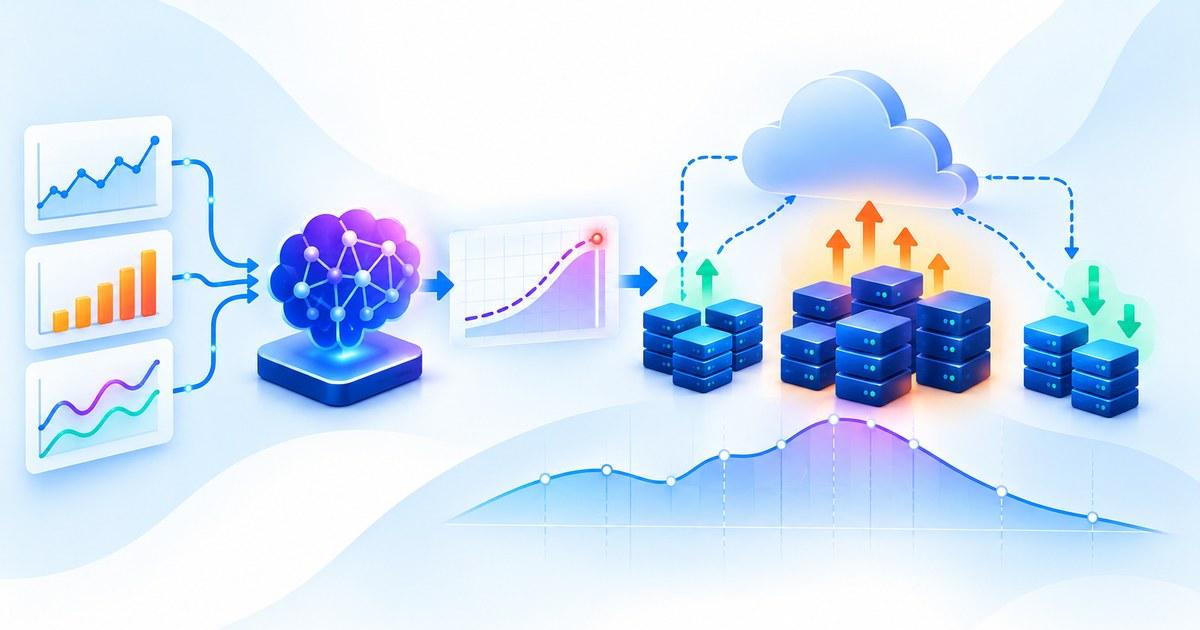
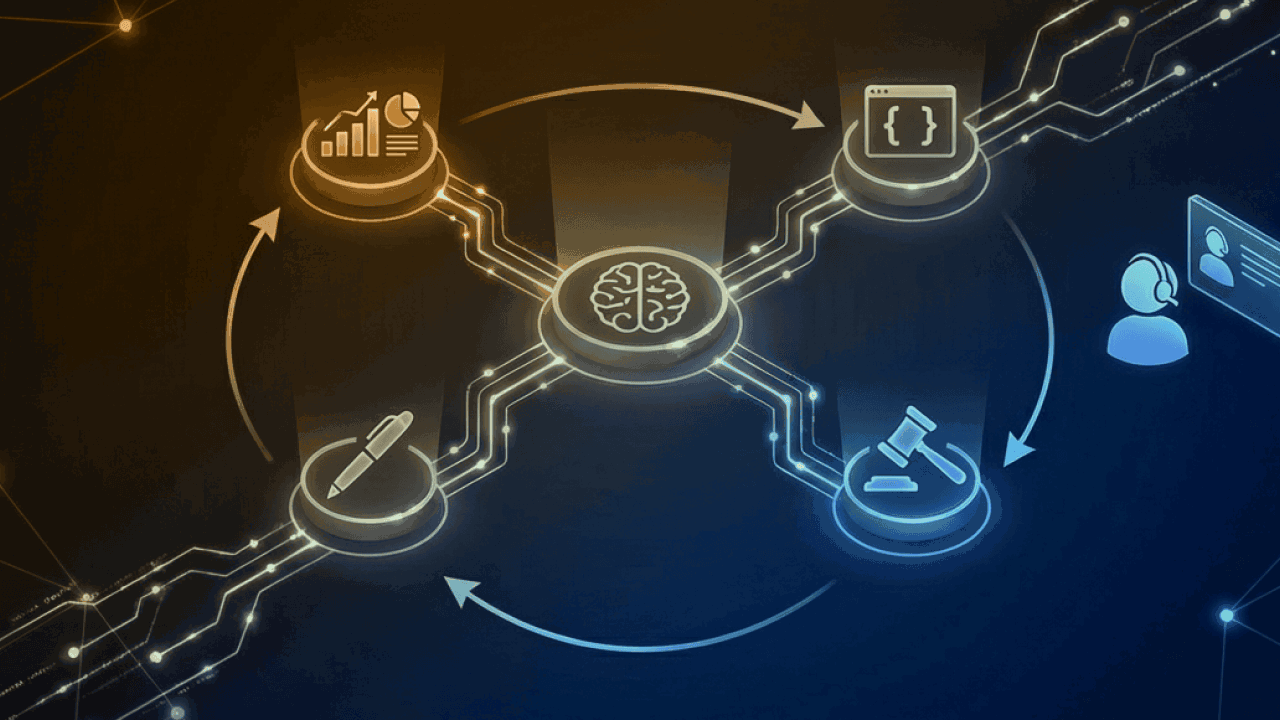
Section 1: Understanding Autonomous AI Workflows and Why They Are Transforming Enterprise Software
The Evolution from Traditional Automation to Autonomous Intelligence
Enterprise software has always been designed with one primary objective: improving operational efficiency. For decades, organizations have invested heavily in workflow automation systems capable of reducing manual effort, standardizing business processes, and increasing productivity across departments. These systems successfully automated repetitive activities such as invoice processing, customer onboarding, inventory updates, purchase approvals, employee management, and document routing by following predefined business rules that software engineers carefully encoded into applications. Whenever specific conditions were satisfied, the system executed the corresponding action, making traditional automation highly effective for repetitive and predictable tasks.
While this approach has served organizations well for many years, it has become increasingly difficult to maintain as businesses operate in more dynamic environments. Modern enterprises generate enormous amounts of structured and unstructured information every day, customer expectations evolve rapidly, regulatory requirements change frequently, supply chains experience unexpected disruptions, and business decisions often require evaluating information from multiple systems simultaneously. Traditional workflow automation struggles in these situations because every possible scenario must be anticipated before deployment. Whenever the workflow encounters information or circumstances that fall outside its predefined rules, execution typically stops until human intervention determines the appropriate next step.
This limitation has become one of the biggest barriers to large-scale business automation. Organizations no longer need systems that simply execute instructions they already understand. Instead, they require software capable of interpreting changing situations, reasoning through unfamiliar problems, adapting to new information, and continuing execution even when the environment differs from what engineers originally anticipated during development. Artificial intelligence has emerged as the technology capable of bridging this gap because it introduces contextual understanding and adaptive reasoning into business workflows rather than relying solely on rigid rule-based logic.
Autonomous AI workflows therefore represent a significant evolution rather than a complete replacement of traditional workflow automation. They preserve the reliability and operational consistency of conventional automation while adding intelligence that allows systems to make informed decisions, retrieve relevant knowledge, interact with enterprise software, and adapt their execution strategy whenever business conditions change. This combination enables organizations to automate processes that were previously considered too complex for software because they required continuous human judgment throughout execution.
Autonomous AI Workflows Combine Reasoning with Operational Execution
One of the defining characteristics of autonomous AI workflows is that they integrate artificial intelligence directly into operational processes instead of treating AI as an isolated component that produces recommendations. Earlier generations of AI systems often generated valuable insights but relied on employees to interpret those insights and manually coordinate the remaining business activities. While predictive models successfully identified fraudulent transactions, forecast customer demand, or recommended products, humans still managed the operational workflow required to act on those predictions.
Autonomous AI workflows fundamentally change this relationship by allowing intelligence to participate throughout the entire business process. Rather than producing a single prediction and waiting for further instructions, these workflows continuously evaluate information, retrieve enterprise knowledge, communicate with external applications, determine the next best action, monitor execution progress, and modify their strategy whenever new information becomes available.
Consider how an enterprise customer support organization handles technical issues submitted by thousands of customers every day. In a traditional environment, automation systems categorize incoming requests and assign them to the appropriate support teams, but support specialists remain responsible for reviewing account history, locating technical documentation, identifying likely causes, communicating with customers, escalating complex issues, updating internal systems, and documenting the final resolution. An autonomous AI workflow transforms this process by performing many of these activities automatically. It analyzes the customer's request, retrieves previous interactions, searches enterprise knowledge bases for relevant technical guidance, determines the most probable solution, updates customer relationship management platforms, schedules follow-up activities, and continuously tracks issue resolution while escalating cases only when specialized human expertise becomes necessary.
The intelligence within the workflow therefore extends well beyond answering questions. It becomes an active participant in operational execution, allowing organizations to automate increasingly sophisticated business activities without sacrificing flexibility or decision quality. This capability explains why enterprises across healthcare, financial services, manufacturing, software engineering, logistics, legal services, and retail are investing heavily in autonomous AI workflows as part of their long-term digital transformation strategies.
Autonomous Workflow Engineering Is Becoming a Strategic Enterprise Capability
The rapid adoption of autonomous AI workflows reflects a broader shift in how organizations evaluate artificial intelligence investments. Businesses are no longer interested in deploying AI simply because it produces accurate predictions or generates convincing text. Executive leadership increasingly measures success according to operational outcomes such as improved productivity, faster decision-making, reduced costs, stronger customer experiences, and greater business scalability. Achieving these objectives requires intelligent systems capable of executing complete workflows rather than isolated analytical tasks.
Consequently, enterprise hiring priorities are changing. Organizations increasingly seek engineers who understand how to combine Large Language Models, AI agents, Retrieval-Augmented Generation, workflow orchestration, distributed cloud infrastructure, enterprise integrations, observability, security, and governance into production-ready intelligent systems. The importance of designing these large-scale operational architectures is explored in "How Modern AI Applications Handle Millions of Users Simultaneously," which explains how cloud-native infrastructure, workflow orchestration, inference optimization, distributed systems, and production engineering enable organizations to deploy reliable AI applications capable of supporting enterprise-scale operations.
Key Takeaway
Autonomous AI workflows represent the next generation of enterprise software by combining intelligent reasoning with end-to-end operational execution. Instead of relying on rigid rule-based automation, these workflows integrate Large Language Models, Retrieval-Augmented Generation, AI agents, orchestration platforms, enterprise software, and cloud-native infrastructure into unified systems capable of adapting to changing business conditions while completing complex workflows autonomously. As organizations continue expanding enterprise AI adoption, workflow engineering is becoming one of the most important technical disciplines for building scalable, intelligent, and production-ready business applications.
Section 2: The Core Engineering Components That Power Autonomous AI Workflows
Autonomous AI Workflows Depend on Intelligent Architectural Layers Rather Than Individual Models
One of the most common misconceptions about autonomous AI workflows is that they are simply Large Language Models connected to a few APIs. While this assumption may appear reasonable from the outside, it overlooks the sophisticated engineering architecture required to transform a language model into an enterprise-grade autonomous system. Modern AI workflows are not built around a single intelligent model; instead, they consist of multiple engineering layers that work together continuously to understand business objectives, retrieve relevant knowledge, coordinate decision-making, execute operational tasks, monitor progress, and adapt dynamically whenever business conditions change.
This architectural approach is necessary because enterprise workflows rarely involve a single activity. A customer service request, a financial compliance review, a healthcare diagnosis, or a software deployment all require information from multiple systems, sequential decision-making, interactions with enterprise software, and continuous evaluation throughout execution. No single AI model, regardless of its size or capabilities, can independently manage every aspect of these processes while maintaining the reliability, security, and scalability required by production environments.
Consider how an enterprise procurement workflow operates within a multinational organization. When an employee submits a purchase request, the workflow must authenticate the user, retrieve budget information from financial systems, verify procurement policies, compare approved suppliers, evaluate inventory availability, determine whether management approval is required, generate purchase orders, communicate with vendors, update enterprise resource planning software, notify finance departments, and monitor delivery progress after the order has been placed. Every stage depends upon different technologies operating together while maintaining business context throughout the workflow.
Autonomous AI workflows therefore rely on layered architectures in which every engineering component performs a specialized responsibility. Instead of attempting to centralize all intelligence inside one model, organizations distribute responsibilities across retrieval systems, orchestration platforms, AI agents, enterprise integrations, observability services, and cloud infrastructure. This modular architecture improves scalability, simplifies maintenance, strengthens reliability, and allows organizations to update individual workflow components without redesigning the entire application whenever business requirements evolve.
Retrieval-Augmented Generation Ensures AI Decisions Are Based on Current Enterprise Knowledge
One of the biggest challenges facing autonomous AI workflows is ensuring that every business decision is based on accurate, current, and organization-specific information. Although Large Language Models possess remarkable reasoning capabilities, their knowledge is limited to the information available during training. Enterprise environments change continuously as organizations publish new documentation, revise operational policies, update compliance regulations, modify product specifications, and expand internal knowledge repositories. Relying solely on pretrained knowledge would therefore cause AI workflows to make decisions using outdated information, significantly reducing business reliability.
Retrieval-Augmented Generation, commonly referred to as RAG, addresses this challenge by separating reasoning from knowledge storage. Instead of expecting language models to memorize every piece of organizational information, enterprise documents remain within continuously updated knowledge repositories supported by vector databases. Whenever a workflow begins executing, semantic retrieval identifies the documents most relevant to the current business objective and provides them to the language model before reasoning occurs.
This architecture allows autonomous workflows to generate decisions using the latest enterprise knowledge rather than depending entirely on static pretrained information.
Imagine an AI workflow supporting an enterprise legal department responsible for reviewing commercial contracts. Every agreement must comply with current organizational policies, recently negotiated contractual clauses, evolving regulatory requirements, and jurisdiction-specific legal obligations. If the workflow depended only on the language model's original training, recommendations would quickly become outdated as regulations changed or new contract templates were introduced.
Retrieval-Augmented Generation solves this problem by retrieving the most recent compliance documentation, legal templates, negotiation guidelines, and organizational policies before contract analysis begins. The workflow therefore reasons using current enterprise knowledge while maintaining the flexibility to incorporate future documentation without retraining the underlying model.
The same principle applies across healthcare, finance, cybersecurity, software engineering, manufacturing, and customer support. Enterprise knowledge becomes a dynamic resource continuously accessed during workflow execution rather than static information permanently embedded within an AI model. This capability enables autonomous workflows to remain accurate, adaptable, and operationally reliable as business environments evolve.
Observability, Governance, and Infrastructure Transform Intelligent Workflows into Enterprise Platforms
Engineering an autonomous AI workflow does not end once orchestration has been implemented. Enterprise deployment introduces additional responsibilities involving operational visibility, security, governance, scalability, and long-term maintainability. Without these engineering disciplines, even highly intelligent workflows become difficult to manage as organizational complexity increases.
Observability provides continuous insight into workflow behavior after deployment. Engineering teams monitor latency, retrieval quality, reasoning performance, infrastructure utilization, workflow completion rates, API response times, business outcomes, and operational failures in real time. This visibility allows organizations to identify bottlenecks, optimize workflow efficiency, improve response quality, and maintain consistent operational performance despite changing workloads.
Governance represents another essential architectural layer because autonomous workflows frequently interact with confidential customer information, financial records, healthcare data, proprietary engineering documentation, and regulated enterprise systems. Authentication mechanisms verify user identity before workflow execution begins, authorization frameworks enforce role-based access controls, audit logs record every significant decision, and security policies define exactly which actions AI agents may perform throughout business operations. These controls enable organizations to automate increasingly sophisticated workflows while maintaining transparency, accountability, and regulatory compliance.
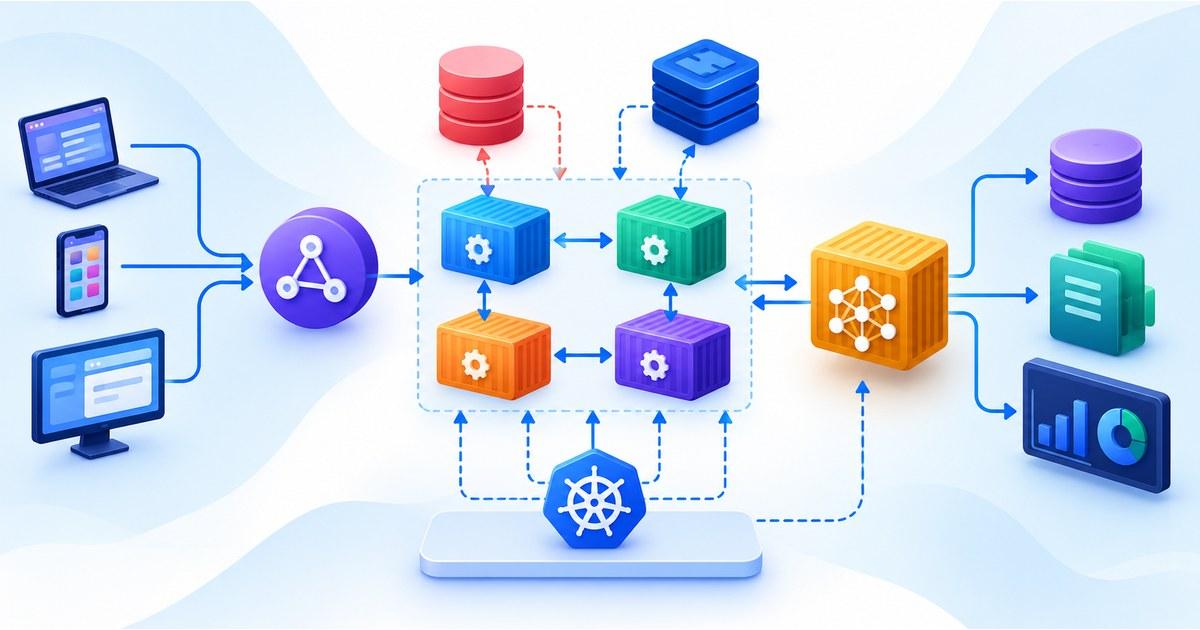
Cloud-native infrastructure provides the scalability necessary for enterprise deployment. Autonomous workflows frequently support thousands or even millions of users simultaneously while coordinating multiple AI services, vector databases, orchestration platforms, enterprise APIs, and distributed computing resources. Containerized deployments, Kubernetes orchestration, distributed inference systems, intelligent caching, and elastic cloud infrastructure allow organizations to maintain high availability while optimizing operational costs as demand fluctuates.
The importance of combining intelligent workflow architecture with enterprise-scale engineering is explored in "The Rise of AI Platform Engineers: The Next High-Paying Career," which explains how cloud-native infrastructure, AI orchestration, enterprise integrations, distributed systems, observability, and production engineering are creating a new generation of professionals responsible for building scalable AI platforms that support modern enterprise applications.
Key Takeaway
Autonomous AI workflows are built upon sophisticated engineering architectures rather than individual AI models. Retrieval-Augmented Generation ensures decisions are grounded in current enterprise knowledge, workflow orchestration coordinates intelligent services across complex business processes, and observability, governance, and cloud-native infrastructure provide the reliability, scalability, and security required for production deployment. Together, these architectural components transform artificial intelligence from an isolated capability into an enterprise platform capable of executing complete business workflows with intelligence, resilience, and operational efficiency.
Section 3: Engineering Principles for Building Reliable Autonomous AI Workflows at Enterprise Scale
Designing Autonomous Workflows Around Modular Architectures Improves Scalability and Maintainability
One of the defining characteristics of successful autonomous AI workflows is that they are designed as modular systems rather than monolithic applications. As organizations deploy AI across increasingly complex business operations, workflows naturally become larger, integrating multiple models, enterprise applications, cloud services, databases, APIs, and business rules. Attempting to manage every responsibility within a single workflow quickly creates systems that are difficult to scale, challenging to debug, and expensive to maintain whenever business requirements evolve.
Modern AI engineering therefore emphasizes modular workflow architecture, where every component performs a clearly defined responsibility while communicating seamlessly with the rest of the system. Instead of embedding retrieval, reasoning, orchestration, API interactions, monitoring, and business logic into one large application, engineers separate these capabilities into independent services that can evolve individually without disrupting the complete workflow.
Consider a financial institution deploying an autonomous loan approval workflow. Rather than building one application responsible for every stage of the process, engineers divide responsibilities across multiple specialized services. One service authenticates customer identities and validates submitted documents, another retrieves financial records and credit histories, another evaluates lending policies using Retrieval-Augmented Generation, another performs fraud detection, while additional services calculate risk scores, generate approval recommendations, communicate with banking systems, and notify customers throughout the approval process.
This modular architecture provides several significant engineering advantages. Individual components can be upgraded independently as better AI models become available, organizational policies change, or enterprise software evolves. Infrastructure resources can be allocated more efficiently because heavily utilized services scale independently instead of requiring the entire workflow to consume additional computing resources. Testing also becomes significantly more reliable because engineering teams validate each component separately before evaluating the complete workflow.
Modularity also improves resilience. If one external service experiences temporary failures, orchestration platforms isolate the affected component while allowing the remainder of the workflow to continue operating wherever possible. Instead of bringing down the entire business process, autonomous workflows recover gracefully by retrying operations, selecting alternative execution paths, or temporarily requesting human assistance until normal service resumes.
As enterprise AI applications continue growing in complexity, modular workflow architecture has become one of the most important engineering principles for ensuring long-term scalability, maintainability, and operational reliability.
Continuous Evaluation and Optimization Keep Autonomous Workflows Effective Over Time
Deploying an autonomous AI workflow does not represent the completion of the engineering process. Unlike conventional software applications whose functionality remains relatively stable after release, autonomous workflows operate within environments that evolve continuously. Enterprise knowledge grows, customer expectations change, foundation models improve, infrastructure technologies advance, and business priorities shift. Without continuous optimization, workflows that initially perform exceptionally well gradually become less effective as their operational environment changes.
Successful organizations therefore treat autonomous workflows as continuously evolving systems rather than completed software projects. Engineering teams monitor workflow execution using comprehensive observability platforms that evaluate response latency, retrieval quality, reasoning accuracy, infrastructure utilization, workflow completion rates, operational costs, user satisfaction, and overall business outcomes. These operational insights allow engineers to identify opportunities for improvement before declining performance affects customers or internal users.
Optimization often involves multiple engineering activities occurring simultaneously. Retrieval-Augmented Generation pipelines may be redesigned to improve enterprise knowledge retrieval. Prompt strategies may be refined to strengthen reasoning quality. Infrastructure resources may be reallocated to reduce latency during peak demand. Workflow orchestration may be simplified by eliminating unnecessary execution steps, while AI agents may be upgraded as more capable foundation models become available.
Organizations also increasingly rely on controlled experimentation before deploying workflow improvements into production. Engineering teams compare different orchestration strategies, retrieval algorithms, reasoning approaches, infrastructure configurations, and workflow designs using operational metrics collected from real business environments. This evidence-based methodology allows workflows to improve continuously while minimizing operational risk.
The importance of designing adaptive enterprise AI systems is explored in "Context Engineering: The Skill Every AI Engineer Needs in 2026," which explains how effective context management, Retrieval-Augmented Generation, prompt optimization, workflow orchestration, and production engineering significantly influence the performance, scalability, and reliability of modern AI applications.
Key Takeaway
Engineering autonomous AI workflows requires much more than integrating intelligent models into enterprise software. Modular architecture ensures scalability and maintainability, adaptive decision-making enables workflows to respond intelligently to changing business environments, governance and human oversight preserve security and accountability, and continuous optimization allows workflows to evolve alongside organizational needs. Together, these engineering principles transform autonomous AI workflows into resilient enterprise platforms capable of delivering reliable business value at production scale.
Section 4: The Future of Autonomous AI Workflows and Why They Will Redefine Enterprise Software
Autonomous AI Workflows Will Become the Operating System of Modern Enterprises
Artificial intelligence is gradually moving beyond individual applications and becoming an integral part of how organizations operate on a daily basis. During the early stages of AI adoption, businesses primarily viewed artificial intelligence as a collection of specialized tools capable of improving individual tasks such as image recognition, recommendation systems, fraud detection, demand forecasting, or document classification. Although these applications delivered measurable business value, they remained isolated from the broader operational processes that drive enterprise productivity. Human employees continued to coordinate decisions between different departments, transfer information across software platforms, monitor business processes, and resolve exceptions whenever automation encountered situations it could not handle independently.
Autonomous AI workflows represent a significant departure from this traditional model because they combine reasoning, execution, orchestration, and continuous decision-making into unified operational systems. Rather than supporting isolated activities, these workflows increasingly manage complete business processes from beginning to end while collaborating with employees whenever human expertise becomes necessary. This capability is transforming artificial intelligence from a productivity enhancement into the operational backbone of modern enterprises.
Healthcare organizations provide an excellent illustration of this transformation. Instead of deploying separate AI systems for appointment scheduling, diagnostic support, medical documentation, insurance verification, and patient communication, hospitals are beginning to integrate these capabilities into autonomous workflows that coordinate patient care across the entire treatment lifecycle. The workflow receives appointment requests, retrieves medical history, schedules consultations, coordinates laboratory testing, summarizes clinical findings, updates electronic health records, communicates with insurance providers, and ensures patients receive timely follow-up care. Every stage operates within one continuously evolving workflow that adapts intelligently as new clinical information becomes available.
A similar transformation is taking place across financial services, manufacturing, logistics, software engineering, retail, telecommunications, and legal operations. Organizations increasingly recognize that business value is generated not by isolated AI models but by intelligent workflows capable of coordinating entire operational ecosystems. As enterprise AI continues maturing, autonomous workflows will increasingly function as the digital operating system that connects people, software, business knowledge, and intelligent decision-making into one unified environment.
AI Workflow Engineering Will Become One of the Most Important Technical Disciplines of the Next Decade
The continued evolution of autonomous AI workflows is also reshaping the skills required of modern software engineers. Building production-ready intelligent workflows requires expertise that extends far beyond machine learning or prompt engineering. Engineers must understand distributed systems, cloud-native infrastructure, Retrieval-Augmented Generation, workflow orchestration, enterprise integration, observability, cybersecurity, data governance, API design, scalable software architecture, and AI reliability engineering. These disciplines are becoming increasingly interconnected because enterprise AI systems depend on every layer functioning together reliably under real-world production conditions.
This shift is creating an entirely new generation of engineering roles focused on designing, deploying, and maintaining intelligent operational platforms rather than isolated AI models. Organizations increasingly seek professionals capable of combining software engineering principles with artificial intelligence to build systems that continuously adapt, learn, and execute business workflows across multiple enterprise environments. Engineers who understand how reasoning, orchestration, retrieval, cloud infrastructure, monitoring, and governance interact within autonomous workflows will therefore become some of the most valuable technical professionals in the coming years.
The growing importance of multidisciplinary AI engineering is explored in "Why ML Engineers Are Becoming the New Full-Stack Engineers," which explains how modern AI professionals are expanding beyond traditional model development to master cloud infrastructure, distributed systems, production engineering, enterprise integration, and workflow automation as artificial intelligence becomes a core component of enterprise software development.
Key Takeaway
Autonomous AI workflows are redefining enterprise software by transforming artificial intelligence from a collection of isolated capabilities into intelligent operational platforms capable of coordinating complete business processes. Their future will be driven by multi-agent collaboration, responsible engineering, cloud-native scalability, and continuous adaptation to changing business environments. As organizations increasingly depend on AI to automate mission-critical operations, engineers who can design secure, reliable, and production-ready autonomous workflows will play a central role in shaping the next generation of enterprise technology.
Conclusion
Autonomous AI workflows represent one of the most significant shifts in the evolution of enterprise software. For many years, organizations viewed artificial intelligence as a collection of specialized technologies designed to improve individual tasks. Machine learning models predicted customer behavior, recommendation engines suggested products, computer vision systems analyzed images, and natural language processing models answered questions or summarized documents. While these capabilities delivered measurable business value, they operated largely as isolated components within much broader operational processes that continued to depend on extensive human coordination.
Today, that paradigm is changing.
Organizations are no longer satisfied with AI systems that simply generate predictions or provide intelligent recommendations. Instead, they are investing in autonomous workflows capable of understanding business objectives, retrieving organizational knowledge, reasoning through complex situations, coordinating multiple software platforms, interacting with enterprise applications, adapting to changing conditions, and executing complete operational processes from beginning to end. Artificial intelligence is therefore evolving from an analytical capability into an operational capability that actively participates in how businesses function every day.
This transformation is possible because modern autonomous workflows combine numerous engineering disciplines into one intelligent architecture. Large Language Models provide reasoning and natural language understanding, while Retrieval-Augmented Generation ensures decisions are based on current enterprise knowledge rather than static pretrained information. Workflow orchestration coordinates communication between specialized services, AI agents execute operational responsibilities across multiple software platforms, cloud-native infrastructure provides scalability, and observability systems continuously monitor workflow health to maintain reliability throughout production environments.
The true innovation lies not in any single technology but in how these technologies operate together as one coordinated system.
A successful autonomous workflow does far more than answer questions. It understands objectives, gathers information, evaluates multiple decision paths, performs business actions, monitors execution, responds intelligently when unexpected situations arise, and continues progressing toward organizational goals while maintaining transparency, security, and operational accountability. This systems-oriented approach explains why autonomous workflows are becoming the preferred architecture for enterprise AI across industries including healthcare, finance, manufacturing, retail, logistics, software engineering, telecommunications, and professional services.
Building these workflows requires a fundamentally different engineering mindset from traditional software development. Engineers must think beyond individual algorithms and instead design resilient operational ecosystems capable of supporting millions of users, integrating with enterprise infrastructure, protecting sensitive business information, recovering gracefully from failures, and continuously improving as organizational knowledge evolves. Success depends not only on model quality but also on workflow architecture, orchestration strategy, infrastructure design, governance, observability, and long-term maintainability.
Perhaps the most important lesson emerging from enterprise AI adoption is that autonomy does not eliminate the need for responsible engineering. Organizations increasingly recognize that intelligent systems must remain explainable, secure, auditable, and aligned with business policies if they are to earn the confidence of customers, employees, regulators, and executive leadership. Human oversight, governance frameworks, authentication systems, role-based permissions, audit logging, and continuous monitoring therefore remain essential components of every production-grade autonomous workflow.
Looking ahead, autonomous AI workflows will become even more sophisticated. Multi-agent systems will allow specialized AI agents to collaborate on increasingly complex business processes. Context-aware memory systems will preserve organizational knowledge across long-running workflows. Planning algorithms will become more adaptive as workflows learn continuously from operational feedback. Enterprise software will become increasingly interconnected, allowing autonomous workflows to coordinate activities across dozens of business applications simultaneously while maintaining operational consistency and regulatory compliance.
These developments will fundamentally reshape how organizations approach digital transformation.
Rather than automating isolated business activities, enterprises will deploy intelligent operational platforms capable of coordinating complete workflows across multiple departments with minimal manual intervention. The result will be greater productivity, faster decision-making, improved customer experiences, stronger operational resilience, and significantly more efficient business processes.
For AI engineers, this transformation represents an extraordinary opportunity. The professionals who will shape the future of enterprise AI will not simply build better machine learning models. They will design intelligent workflow architectures capable of combining reasoning, retrieval, orchestration, distributed systems, cloud infrastructure, enterprise integration, security, and observability into scalable production platforms. As organizations continue investing in autonomous operations throughout 2026 and beyond, workflow engineering will become one of the defining disciplines of modern artificial intelligence.
Ultimately, the future of enterprise AI will not be measured by how intelligently a model can respond to a prompt. It will be measured by how effectively autonomous workflows can transform intelligence into reliable business execution. Organizations that master this capability will define the next generation of digital enterprises, while engineers capable of building these systems will become some of the most influential technology professionals of the coming decade.
Frequently Asked Questions
1. What is an autonomous AI workflow?
An autonomous AI workflow is an intelligent business process that combines AI models, workflow orchestration, enterprise software, APIs, and decision-making capabilities to execute complete operational tasks with minimal human intervention while adapting to changing business conditions.
2. How is an autonomous AI workflow different from traditional workflow automation?
Traditional workflow automation follows predefined business rules and fixed execution paths. Autonomous AI workflows can interpret context, retrieve enterprise knowledge, reason through unfamiliar situations, modify execution strategies, and make informed decisions dynamically as workflows progress.
3. What technologies power autonomous AI workflows?
Modern autonomous workflows typically combine Large Language Models (LLMs), Retrieval-Augmented Generation (RAG), vector databases, AI agents, workflow orchestration platforms, cloud-native infrastructure, APIs, enterprise software integrations, observability platforms, and governance frameworks.
4. Why is Retrieval-Augmented Generation important for autonomous workflows?
Retrieval-Augmented Generation enables workflows to access current enterprise knowledge before making decisions. This ensures AI systems use the latest documentation, policies, technical information, and organizational knowledge instead of relying only on pretrained model knowledge.
5. What role do AI agents play in autonomous workflows?
AI agents perform specialized operational responsibilities such as retrieving information, analyzing documents, interacting with enterprise software, executing APIs, generating reports, updating databases, and coordinating workflow execution across multiple business systems.
6. What is workflow orchestration?
Workflow orchestration coordinates how different AI services, enterprise applications, databases, APIs, and infrastructure components communicate throughout workflow execution while ensuring every activity occurs in the correct sequence.
7. Can autonomous AI workflows make business decisions independently?
Yes, autonomous workflows can make many operational decisions independently. However, organizations often implement Human-in-the-Loop architectures for high-risk activities involving healthcare, finance, legal operations, cybersecurity, or regulatory compliance.
8. Why is observability important in autonomous AI systems?
Observability provides continuous visibility into workflow execution, infrastructure performance, retrieval quality, reasoning accuracy, API interactions, latency, operational health, and business outcomes, allowing engineering teams to identify issues before they affect users.
9. How do organizations secure autonomous AI workflows?
Organizations secure workflows using authentication, role-based authorization, encrypted communication, API security, governance policies, audit logging, continuous monitoring, and carefully controlled access permissions that limit what AI agents can perform.
10. What industries benefit most from autonomous AI workflows?
Healthcare, financial services, manufacturing, logistics, retail, telecommunications, software engineering, insurance, cybersecurity, legal services, education, and government organizations all benefit because they manage complex workflows involving multiple systems and business decisions.
11. What is a multi-agent architecture?
A multi-agent architecture consists of multiple specialized AI agents that collaborate throughout workflow execution. Each agent focuses on a specific responsibility while orchestration platforms coordinate communication and ensure the overall business objective is achieved efficiently.
12. What skills are required to build autonomous AI workflows?
AI workflow engineers should understand Large Language Models, Retrieval-Augmented Generation, workflow orchestration, software engineering, APIs, cloud computing, Kubernetes, distributed systems, enterprise architecture, observability, cybersecurity, and production AI deployment.
13. What are the biggest engineering challenges when building autonomous workflows?
The biggest challenges include designing scalable workflow architectures, maintaining enterprise security, coordinating multiple AI services, ensuring reliable orchestration, optimizing infrastructure performance, implementing governance, and continuously improving workflows as business requirements evolve.
14. Why are autonomous AI workflows becoming important in 2026?
Organizations are shifting from isolated AI experiments toward enterprise-scale automation that delivers measurable business value. Autonomous workflows enable businesses to automate complete operational processes, improve efficiency, reduce costs, increase scalability, and accelerate decision-making across multiple departments.
15. How will autonomous AI workflows evolve over the next decade?
Future autonomous workflows will incorporate more sophisticated multi-agent collaboration, stronger long-term memory systems, adaptive planning algorithms, self-optimizing orchestration, deeper enterprise integration, improved governance, and increasingly intelligent decision-making capabilities. These advancements will enable organizations to automate complex end-to-end business operations while maintaining reliability, transparency, and security at enterprise scale.