
Section 1: Why Azure ML and Enterprise AI Define Microsoft’s ML Interview Philosophy
Enterprise-First ML: Moving Beyond Consumer-Scale Thinking
If you approach Microsoft machine learning interviews with the same mindset used for consumer-focused platforms, you will miss the core signal Microsoft is evaluating. Unlike companies that prioritize user engagement metrics at scale, Microsoft operates deeply within enterprise ecosystems where reliability, compliance, and integration matter as much as model performance. This distinction fundamentally shapes how machine learning systems are designed and, consequently, how candidates are evaluated.
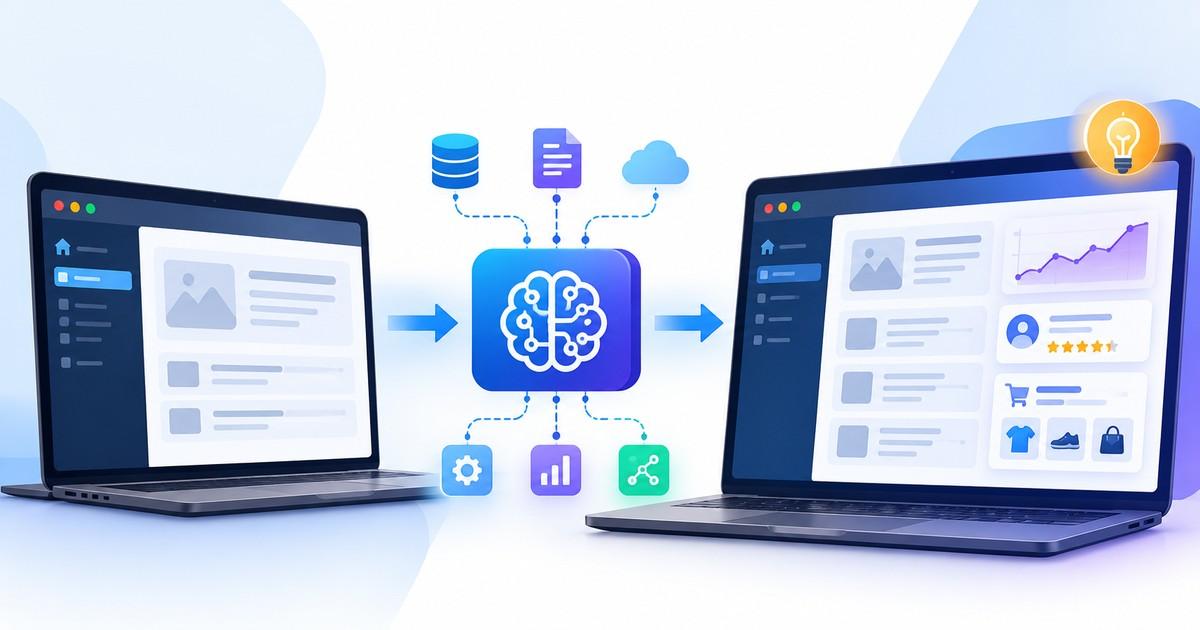
At Microsoft, machine learning is rarely an isolated feature. It is embedded into enterprise workflows such as document processing, business intelligence, cybersecurity, and cloud services. This means that ML systems must integrate seamlessly with existing infrastructure, handle structured and unstructured data, and operate under strict requirements for security and compliance. As a result, Microsoft ML interviews focus heavily on how well you understand system integration and production readiness rather than just model development.
One of the key differences in enterprise AI is the nature of the problems being solved. Unlike consumer applications where user behavior drives rapid iteration, enterprise systems often deal with mission-critical tasks. Errors can have significant financial or operational consequences. This raises the bar for reliability and robustness. Candidates are expected to design systems that are not only accurate but also stable, interpretable, and maintainable over time.
Another important aspect of enterprise ML is the diversity of data sources. Systems often need to integrate data from databases, APIs, logs, and external services. This creates challenges in data consistency, preprocessing, and pipeline design. Candidates who can reason about how to manage and unify these data sources demonstrate a deeper understanding of enterprise environments.
Azure ML Systems: The Backbone of Microsoft’s ML Ecosystem
Microsoft’s machine learning ecosystem is heavily centered around Azure Machine Learning, which provides end-to-end capabilities for building, training, deploying, and monitoring models. Understanding how Azure ML works is essential for performing well in Microsoft ML interviews because it reflects how real systems are built and operated within the company.
Azure ML is not just a tool; it represents a way of thinking about machine learning as a lifecycle. Models are not static artifacts but components of a continuous pipeline that includes data ingestion, training, validation, deployment, and monitoring. Candidates are expected to understand this lifecycle and explain how each stage contributes to the overall system.
One of the defining features of Azure ML systems is their emphasis on scalability and orchestration. Models must be able to handle varying workloads, from small batch jobs to large-scale real-time inference. This requires designing systems that can scale dynamically while maintaining performance and reliability. Candidates who can articulate how to manage these requirements demonstrate strong system design skills.
Another critical aspect is deployment. In enterprise settings, deploying a model is not the final step but the beginning of a new phase. Models must be monitored for performance degradation, data drift, and operational issues. This introduces the need for robust monitoring and feedback mechanisms. Candidates who discuss how to track and respond to these issues show an understanding of production-level machine learning.
Security and compliance are also central to Azure ML systems. Enterprise applications often operate in regulated environments where data handling must adhere to strict guidelines. This means that ML systems must be designed with security in mind from the outset. Candidates are expected to consider how data is stored, accessed, and processed, as well as how models can be audited and explained.
Enterprise AI Use Cases: Bridging ML and Business Impact
A defining characteristic of Microsoft ML interviews is the emphasis on real-world use cases. Candidates are often asked to design systems that solve practical business problems rather than abstract ML tasks. This requires an understanding of how machine learning creates value within enterprise contexts.
For example, you might be asked to design a system for automating document classification, detecting anomalies in financial transactions, or improving customer support through intelligent routing. These problems are not just about building models; they involve understanding business requirements, integrating with existing systems, and delivering measurable outcomes.
One of the key challenges in enterprise AI is aligning technical solutions with business objectives. Unlike consumer applications where success may be measured through engagement metrics, enterprise systems often focus on efficiency, cost reduction, and decision support. Candidates who can connect their technical designs to these outcomes demonstrate a strong understanding of how ML is used in practice.
Another important aspect is interpretability. In many enterprise scenarios, stakeholders need to understand how decisions are made. This is particularly important in domains such as finance, healthcare, and legal systems. Candidates are expected to discuss how models can be made interpretable and how their outputs can be explained to non-technical users.
This focus on connecting technical systems to business impact is explored in Beyond the Model: How to Talk About Business Impact in ML Interviews, where the ability to translate ML outputs into actionable insights is treated as a key signal of seniority . Microsoft interviews place a strong emphasis on this capability, as it reflects the real-world role of ML engineers in enterprise environments.
Finally, enterprise AI systems must be designed for long-term maintainability. Unlike experimental projects, these systems are expected to operate reliably over extended periods. This requires careful planning of data pipelines, model updates, and system integration. Candidates who consider these factors demonstrate a mature approach to system design.
The Key Takeaway
Microsoft ML interviews are fundamentally about designing enterprise-ready systems. Success depends on your ability to think beyond models and consider scalability, integration, security, and business impact. Candidates who align their answers with how Azure ML systems operate in real-world enterprise environments consistently stand out.
Section 2: Core Concepts - Azure ML Pipelines, MLOps, and Deployment Strategies
Azure ML Pipelines: Structuring End-to-End Machine Learning Workflows
In Microsoft ML interviews, understanding how to build models is only the starting point. What truly matters is how those models are integrated into structured, repeatable workflows that can operate reliably in production environments. This is where Azure ML pipelines become central. They represent a systematic approach to organizing the machine learning lifecycle, ensuring that each stage, from data ingestion to deployment, is reproducible, scalable, and maintainable.
An Azure ML pipeline is essentially a sequence of steps that define how data flows through the system. These steps typically include data preprocessing, feature engineering, model training, evaluation, and deployment preparation. Unlike ad hoc workflows, pipelines enforce consistency and allow engineers to automate complex processes. This is particularly important in enterprise environments where models must be retrained regularly as data evolves.
One of the key advantages of pipeline-based systems is reproducibility. In enterprise settings, it is not enough to build a model that works once. You must be able to reproduce results, audit changes, and ensure consistency across different environments. Pipelines provide a structured way to achieve this by encapsulating each stage of the workflow and defining clear dependencies between them. Candidates who emphasize reproducibility demonstrate an understanding of production-grade machine learning.
Another important aspect of Azure ML pipelines is modularity. Each component of the pipeline can be developed, tested, and updated independently. This allows teams to iterate on specific parts of the system without disrupting the entire workflow. For example, feature engineering steps can be improved without retraining the entire model, or evaluation metrics can be updated without modifying the data ingestion process. This modular design is essential for maintaining flexibility in complex systems.
Scalability is also a critical consideration. Azure ML pipelines are designed to handle varying workloads, from small datasets to large-scale enterprise data. This requires efficient resource management and the ability to distribute computation across multiple nodes. Candidates are expected to discuss how pipelines can scale dynamically and how resource allocation can be optimized to balance performance and cost.
Understanding pipelines also means understanding failure handling. In real-world systems, failures are inevitable, whether due to data issues, infrastructure problems, or unexpected edge cases. A well-designed pipeline must include mechanisms for detecting, logging, and recovering from failures. Candidates who address these considerations demonstrate a practical approach to system design.
MLOps in Azure: From Experimentation to Production Reliability
If pipelines define the structure of machine learning workflows, MLOps defines how those workflows are managed and maintained over time. In Microsoft ML interviews, MLOps is not treated as an optional layer but as a core competency. It represents the practices and tools required to ensure that machine learning systems operate reliably in production.
MLOps begins with experiment tracking. During the development phase, multiple models and configurations are tested to identify the best-performing solution. Tracking these experiments is essential for understanding what works and why. Azure ML provides mechanisms for logging metrics, parameters, and outputs, allowing engineers to compare different approaches systematically. Candidates who emphasize the importance of experiment tracking show an understanding of how models evolve.
Once a model is selected, the focus shifts to deployment and monitoring. In enterprise environments, deploying a model is not the end of the process but the beginning of continuous operation. Models must be monitored for performance degradation, data drift, and unexpected behavior. This requires setting up monitoring systems that track key metrics and alert engineers when issues arise.
Another critical aspect of MLOps is versioning. Both data and models must be versioned to ensure traceability and reproducibility. This allows teams to roll back to previous versions if problems occur and to understand how changes impact performance. Candidates who discuss versioning demonstrate an awareness of how complex systems are managed over time.
Automation plays a central role in MLOps. Tasks such as retraining models, updating pipelines, and deploying new versions should be automated to reduce manual effort and minimize errors. This is particularly important in enterprise settings where systems must operate continuously. Candidates who can explain how to automate these processes demonstrate a strong understanding of operational efficiency.
Security and governance are also integral to MLOps in Azure. Enterprise systems often handle sensitive data, and strict controls must be in place to ensure compliance with regulations. This includes managing access to data and models, auditing changes, and ensuring that systems adhere to organizational policies. Candidates who incorporate these considerations into their answers align closely with Microsoft’s priorities.
This emphasis on operational excellence is reflected in ML Interview Toolkit: Tools, Datasets, and Practice Platforms That Actually Help, where the importance of production-ready workflows is highlighted as a key differentiator in interviews . Microsoft interviews consistently reward candidates who think beyond experimentation and focus on long-term system reliability.
The Key Takeaway
Mastering Azure ML interviews requires understanding how machine learning systems are structured, managed, and deployed in real-world environments. Pipelines, MLOps, and deployment strategies are not separate topics but interconnected components of a production-ready system. Candidates who can explain how these elements work together to deliver reliable and scalable solutions stand out in Microsoft ML interviews.
Section 3: System Design - Building Scalable Enterprise ML Systems on Azure
End-to-End Architecture: From Data Ingestion to Intelligent Services
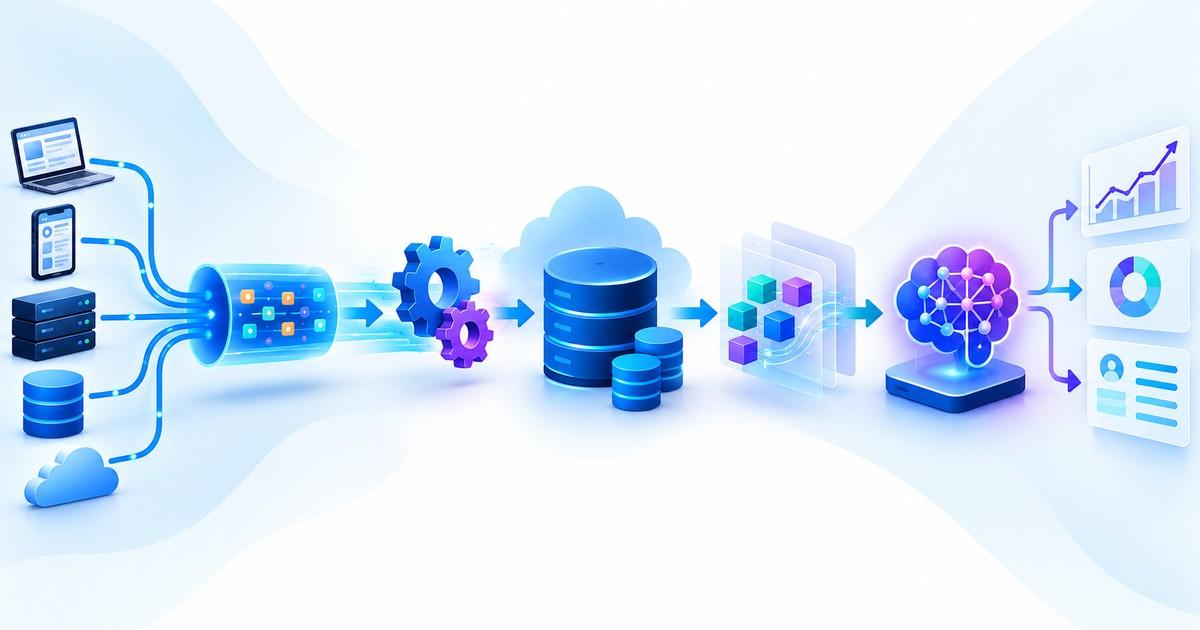
Designing machine learning systems in Microsoft’s ecosystem requires a shift from model-centric thinking to architecture-centric thinking. In enterprise environments, the success of an ML system is determined not just by the model but by how effectively it integrates with data pipelines, services, and business workflows. This is why Microsoft ML interviews place strong emphasis on end-to-end system design, particularly within the context of Azure-based architectures.
At the foundation of any enterprise ML system is data ingestion. Unlike controlled datasets used in experimentation, enterprise data is often distributed across multiple sources, including databases, APIs, logs, and third-party systems. This creates challenges in consistency, latency, and preprocessing. A well-designed system must include mechanisms to collect, clean, and standardize data before it is used for training or inference. Candidates are expected to reason about how to handle missing data, inconsistent formats, and real-time versus batch ingestion.
Once data is ingested, the next stage involves feature engineering and storage. In enterprise systems, features are often reused across multiple models and applications. This makes feature consistency critical. A common design pattern is to create a centralized feature store that ensures the same features are used during both training and inference. Candidates who discuss feature stores demonstrate an understanding of how to maintain consistency and avoid issues such as training-serving skew.
Model training is another key component of the architecture, but in enterprise settings, it must be tightly integrated with data pipelines and orchestration systems. Training workflows are often automated and scheduled, ensuring that models are updated regularly as new data becomes available. This requires coordination between different components of the system, including data pipelines, compute resources, and validation processes. Candidates who can describe how these components interact show a strong grasp of system-level design.
The final stage of the architecture is inference, where models are used to generate predictions. In enterprise environments, inference is often exposed through APIs or integrated directly into business applications. This requires designing systems that can handle varying loads, ensure low latency, and maintain high availability. Candidates should be able to explain how inference systems are deployed and scaled, as well as how they are monitored for performance and reliability.
An important aspect of this architecture is its iterative nature. Enterprise ML systems are not static; they evolve continuously as new data is collected and models are updated. This creates a feedback loop where predictions influence future data, which in turn influences model updates. Candidates who recognize this dynamic nature and incorporate it into their design demonstrate a deeper understanding of real-world systems.
Scalability and Reliability: Designing for Enterprise Constraints
Scalability is a defining characteristic of Azure-based ML systems, but it extends beyond handling large volumes of data. Enterprise scalability involves managing varying workloads, ensuring consistent performance, and maintaining reliability across different use cases. This requires a combination of architectural decisions and operational practices.
One of the key challenges in scalability is handling fluctuating demand. Enterprise systems may experience spikes in usage, such as during business hours or seasonal events. Designing systems that can scale dynamically to accommodate these changes is critical. This often involves using cloud-native features such as auto-scaling and load balancing. Candidates who discuss these mechanisms demonstrate an understanding of how to build resilient systems.
Reliability is equally important. Enterprise applications often support mission-critical operations, and downtime can have significant consequences. This means that ML systems must be designed with fault tolerance in mind. Redundancy, failover mechanisms, and robust error handling are essential components of a reliable system. Candidates who address these aspects show an awareness of real-world operational challenges.
Another dimension of reliability is data consistency. In distributed systems, ensuring that data remains consistent across different components can be challenging. This is particularly important in ML systems where inconsistencies can lead to incorrect predictions. Candidates should be able to discuss strategies for maintaining data integrity, such as validation checks and synchronization mechanisms.
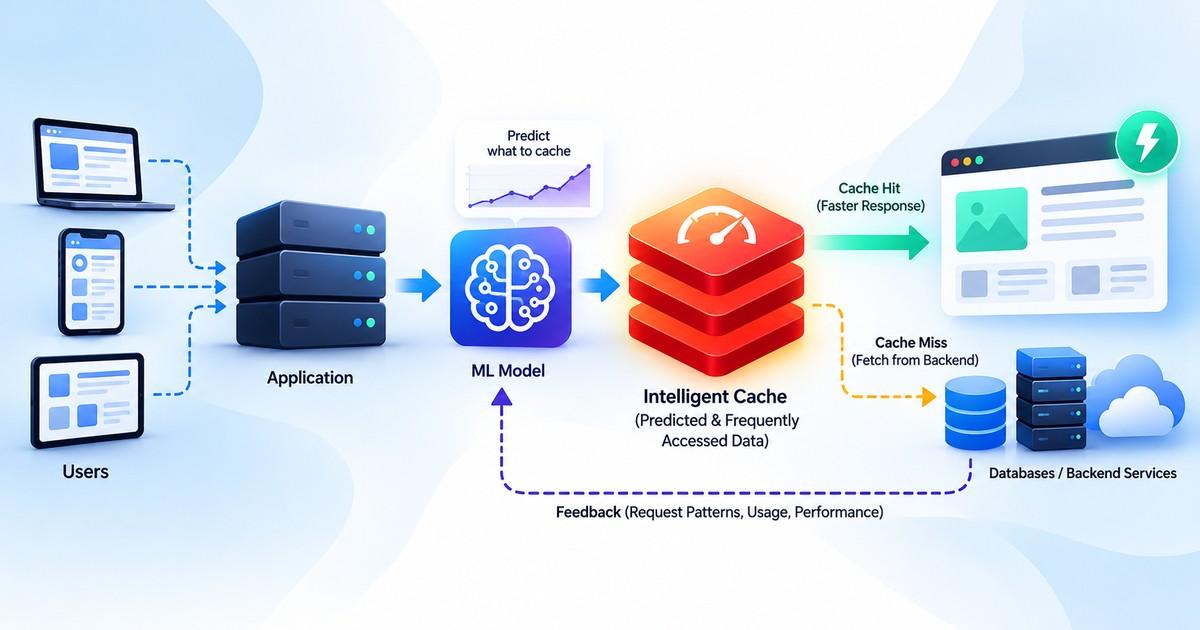
Monitoring plays a crucial role in both scalability and reliability. Systems must be continuously observed to detect issues such as performance degradation, data drift, or unexpected behavior. This requires defining key metrics and setting up alerting mechanisms. Candidates who emphasize monitoring demonstrate an understanding of how to maintain system health over time.
The importance of scalability and reliability in ML systems is highlighted in Scalable ML Systems for Senior Engineers – InterviewNode, where designing systems that operate effectively under real-world constraints is treated as a key differentiator for advanced roles . Microsoft interviews consistently evaluate candidates on their ability to incorporate these considerations into their designs.
The Key Takeaway
Designing enterprise ML systems on Azure requires a holistic approach that integrates data pipelines, scalable infrastructure, and business workflows. Success in Microsoft ML interviews depends on your ability to connect these components into a reliable, scalable, and production-ready system that delivers real-world value.
Section 4: How Microsoft Tests Azure ML and Enterprise AI in Interviews
Question Patterns: Enterprise Scenarios Over Abstract ML Problems
By the time you reach core ML rounds at Microsoft, the evaluation shifts decisively away from isolated algorithms and toward real-world enterprise scenarios. Unlike interviews that center on generic model-building questions, Microsoft frames problems in the context of business workflows, cloud systems, and production constraints. This means that you are not simply asked to build a model, you are asked to design a system that solves a practical enterprise problem using machine learning.
A common pattern involves designing an end-to-end solution for a business use case. You might be asked how to build a document processing system, a fraud detection pipeline, or an intelligent customer support assistant. These problems are intentionally broad and require you to think about data ingestion, model training, deployment, and integration with existing systems. The interviewer is evaluating whether you can connect these components into a coherent architecture rather than focusing on any single part in isolation.
Another frequent pattern is improving an existing system. For example, you may be given a scenario where a deployed model is experiencing performance degradation or where predictions are inconsistent across different environments. These questions test your ability to diagnose issues, identify root causes, and propose solutions. Candidates who jump directly to retraining the model without considering data quality, pipeline issues, or deployment inconsistencies often miss key signals. Strong candidates take a systematic approach, examining each part of the system before proposing changes.
Microsoft also frequently introduces constraints related to enterprise environments. You may be asked to design a system that must comply with strict security policies, operate under limited budgets, or integrate with legacy infrastructure. These constraints are not secondary details; they are central to the problem. Candidates who explicitly incorporate them into their design demonstrate an understanding of how enterprise systems operate.
Ambiguity is another defining feature of these interviews. You will often not be given complete information about data availability, system requirements, or performance expectations. The goal is to assess how you handle uncertainty. Do you ask clarifying questions? Do you make reasonable assumptions? Do you structure your approach logically? Candidates who can navigate ambiguity with clarity and confidence stand out because they demonstrate readiness for real-world problem solving.
Answer Strategy: Structuring Enterprise-Grade Solutions
A strong answer in a Microsoft ML interview is defined by its structure and clarity rather than the specific technologies used. The most effective approach begins with framing the problem in terms of business objectives. Before discussing technical details, you should establish what the system is trying to achieve and how success will be measured. This demonstrates that you understand the broader context in which the system operates.
Once the objective is clear, the next step is to outline the system architecture. In an Azure-based environment, this typically involves describing how data flows through the system, how models are trained and deployed, and how predictions are delivered to end users or applications. Candidates should emphasize how each component fits into the overall workflow and how it interacts with other systems.
Model selection should come after system design. This is a critical distinction that many candidates overlook. Instead of starting with a specific algorithm, you should explain what the model needs to achieve and what constraints it must operate under. Only then should you discuss specific approaches that meet these requirements. This demonstrates that your decisions are driven by the problem rather than by familiarity with certain techniques.
Trade-offs are central to enterprise system design, and Microsoft interviewers expect you to address them explicitly. For example, you may need to balance accuracy with latency, scalability with cost, or complexity with maintainability. A strong candidate does not present a perfect solution but explains why certain trade-offs are necessary and how they impact the system.
Evaluation is another critical component of your answer. In enterprise environments, it is not enough to measure model performance using offline metrics. You must also consider how the system performs in production, how it impacts business outcomes, and how it can be monitored over time. Candidates who discuss both offline and online evaluation demonstrate a comprehensive understanding of system performance.
Communication plays a central role in how your answer is perceived. Your explanation should follow a logical flow from problem definition to system design, followed by trade-offs, evaluation, and potential improvements. This structured approach makes it easier for the interviewer to follow your reasoning and assess your thinking.
Common Pitfalls and What Differentiates Strong Candidates
One of the most common pitfalls in Microsoft ML interviews is focusing too narrowly on models. Candidates often propose sophisticated algorithms without addressing how those models fit into a larger system. This leads to incomplete answers that fail to demonstrate system-level thinking. Strong candidates, on the other hand, treat the model as one component within a broader architecture.
Another frequent mistake is ignoring enterprise constraints. Candidates may design systems that are technically sound but impractical in real-world settings due to cost, security, or integration challenges. Microsoft places a strong emphasis on practicality, and solutions must reflect real-world considerations.
A more subtle pitfall is failing to connect technical decisions to business impact. Enterprise ML systems are designed to solve specific problems, and their success is measured in terms of outcomes such as efficiency, cost savings, or improved decision-making. Candidates who can articulate how their system delivers value demonstrate a deeper understanding of the role of ML in business contexts.
What differentiates strong candidates is their ability to think holistically. They do not just describe individual components; they explain how those components work together to create a complete system. They also demonstrate ownership by discussing how the system would be monitored, maintained, and improved over time. This reflects the reality of working in production environments, where systems must evolve continuously.
This level of thinking is closely aligned with ideas explored in End-to-End ML Project Walkthrough: A Framework for Interview Success, where candidates are encouraged to present solutions as complete, production-ready systems rather than isolated implementations . Microsoft interviews consistently reward candidates who adopt this approach.
Finally, strong candidates are comfortable with ambiguity and trade-offs. They do not attempt to provide perfect answers but focus on demonstrating clear reasoning and sound judgment. This ability to navigate complex, open-ended problems is one of the most important signals in Microsoft ML interviews.
The Key Takeaway
Microsoft ML interviews are designed to evaluate how you build enterprise-ready systems under real-world constraints. Success depends on your ability to structure problems, design scalable architectures, reason about trade-offs, and connect technical solutions to business impact. Candidates who demonstrate system-level thinking and practical judgment consistently stand out.
Conclusion: What Microsoft Is Really Evaluating in ML Interviews
If you step back and look across all the themes in Microsoft’s ML interviews, one pattern becomes clear. Microsoft is not evaluating whether you can build the most advanced model or optimize niche algorithms. It is evaluating whether you can design, deploy, and operate machine learning systems that create real business value in enterprise environments.
This distinction is critical. Many candidates approach interviews with a model-first mindset, focusing on accuracy, architectures, and benchmarks. While these are important, they represent only a small part of what Microsoft cares about. In real-world enterprise settings, machine learning systems must integrate with existing infrastructure, handle diverse data sources, and operate reliably over long periods. A technically strong model that cannot be deployed, monitored, or scaled effectively has limited value.
Microsoft’s emphasis on Azure ML systems reflects this reality. Machine learning is treated as a lifecycle rather than a one-time task. Data flows through pipelines, models are continuously updated, and systems are monitored for performance and reliability. Candidates who understand this lifecycle and can articulate how each stage contributes to the overall system demonstrate a strong alignment with Microsoft’s engineering practices.
Another defining aspect of Microsoft’s evaluation is its focus on enterprise constraints. Systems must be secure, compliant, and cost-effective. They must operate within budgets, adhere to regulatory requirements, and integrate with legacy systems. These constraints are not secondary considerations, they are central to how enterprise ML systems are designed. Candidates who explicitly address them show that they are thinking beyond theoretical solutions.
Trade-offs are at the core of these decisions. There is no perfect solution that optimizes all dimensions simultaneously. Increasing model complexity may improve accuracy but increase latency and cost. Scaling infrastructure may improve performance but introduce operational overhead. Microsoft interviewers expect candidates to recognize these trade-offs and justify their decisions clearly. This demonstrates both technical depth and practical judgment.
Another key signal is your ability to connect technical solutions to business impact. Enterprise ML systems are built to solve specific problems, such as improving efficiency, reducing costs, or enabling better decision-making. Candidates who can explain how their system achieves these outcomes stand out because they demonstrate an understanding of the role of ML in real-world applications.
Frequently Asked Questions (FAQs)
1. How are Microsoft ML interviews different from other companies?
Microsoft ML interviews focus heavily on enterprise systems, Azure ML workflows, and production readiness. Unlike companies that emphasize algorithms or large-scale consumer systems, Microsoft evaluates how well you can design systems that integrate with business processes and operate reliably in production.
2. Do I need hands-on experience with Azure Machine Learning?
While direct experience with Azure Machine Learning is not mandatory, having a conceptual understanding of how it works can significantly strengthen your answers. You should be able to explain pipelines, deployment, and monitoring in a cloud environment.
3. How important is MLOps for Microsoft ML roles?
MLOps is a core component of Microsoft ML interviews. You are expected to understand concepts such as experiment tracking, model versioning, deployment pipelines, and monitoring. These are essential for building reliable production systems.
4. What kind of system design questions should I expect?
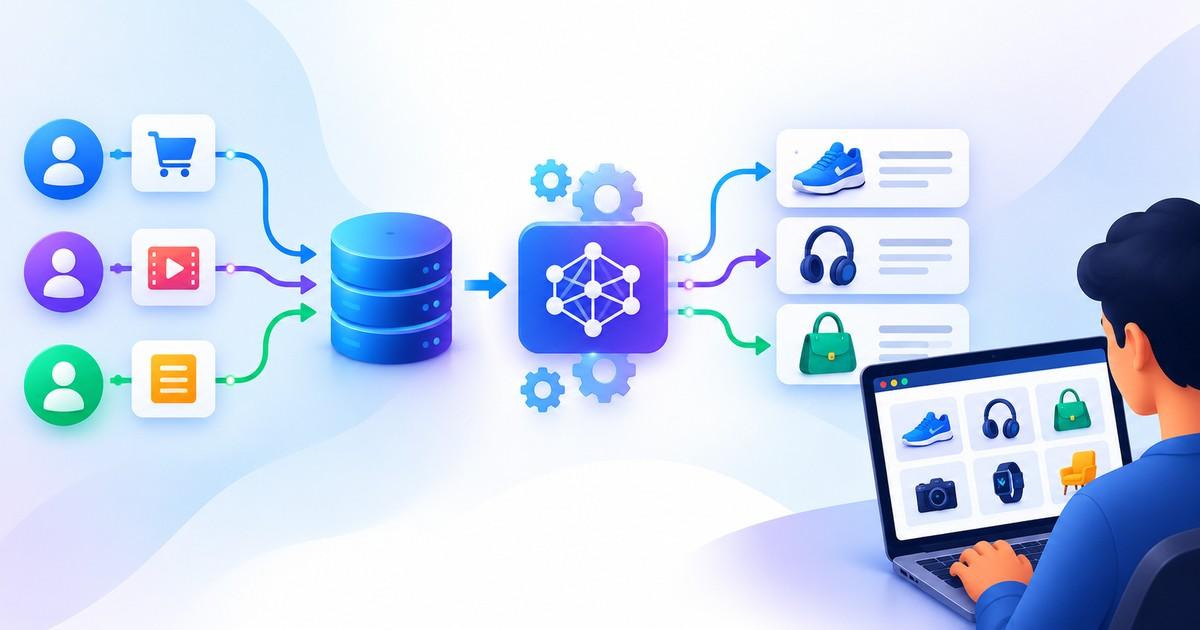
You may be asked to design enterprise solutions such as document processing systems, fraud detection pipelines, or recommendation systems. The focus will be on end-to-end architecture, not just the model.
5. Should I focus more on models or systems during preparation?
You should focus more on systems. While model knowledge is important, Microsoft evaluates how those models are integrated, deployed, and maintained within larger systems.
6. How do I handle trade-offs in my answers?
You should explicitly acknowledge trade-offs and explain how you would prioritize based on business requirements. For example, you might balance accuracy with latency or scalability with cost.
7. How important is scalability in Microsoft ML interviews?
Scalability is critical because enterprise systems must handle varying workloads. You should discuss how your system can scale dynamically while maintaining performance and reliability.
8. What role does monitoring play in ML systems?
Monitoring is essential for detecting issues such as performance degradation, data drift, and system failures. You should explain how you would track metrics and respond to problems in production.
9. Do I need to understand distributed systems?
Yes, at least at a high level. Azure ML systems operate in distributed environments, so understanding concepts such as data pipelines, scaling, and fault tolerance can strengthen your answers.
10. How should I evaluate ML models in enterprise systems?
You should discuss both offline and online evaluation. Offline metrics provide initial insights, but real-world performance must be validated through monitoring and business impact.
11. What are common mistakes candidates make in Microsoft ML interviews?
Common mistakes include focusing too much on models, ignoring enterprise constraints, failing to consider system integration, and not connecting solutions to business impact.
12. How does Microsoft evaluate senior vs mid-level candidates?
Mid-level candidates are expected to understand core concepts and apply them correctly. Senior candidates are expected to design complete systems, reason about trade-offs, and demonstrate strong ownership.
13. How important is cost optimization in system design?
Cost is a key consideration in enterprise systems. You should discuss how to optimize resource usage while maintaining performance and reliability.
14. What kind of projects should I build to prepare?
Focus on end-to-end projects that include data pipelines, model training, deployment, and monitoring. Emphasize how your system operates in a production environment.
15. What ultimately differentiates top candidates in Microsoft ML interviews?
Top candidates demonstrate system-level thinking, strong understanding of enterprise constraints, and the ability to connect technical solutions to business outcomes. They do not just build models, they design systems that deliver real-world value.