Section 1: Why Real-Time Personalization Requires More Than Static User Profiles
From Fixed Preferences to Experiences That Adapt During an Interaction
Traditional personalization systems often rely on user profiles, historical interactions, and previously calculated preferences to determine which content, products, or features should be presented to an individual. These systems can provide relevant experiences when users have stable interests and their historical behavior remains representative of their current needs, but their effectiveness becomes limited when preferences change during an active session. Real-time personalization addresses this limitation by incorporating recent interactions and contextual signals into application decisions, allowing software systems to adjust recommendations, search results, content feeds, and other experiences as new information becomes available.
Consider an e-commerce application in which a customer initially browses running shoes but later starts comparing hiking equipment, outdoor jackets, and camping accessories during the same session. A personalization system based primarily on the customer's historical purchases may continue recommending running products, even though the immediate browsing behavior suggests a temporary shift toward outdoor adventure equipment. By processing current interactions and updating relevant features, the application can adjust its recommendations to reflect the customer's emerging interests without waiting for a scheduled profile refresh or a future model training cycle.
Implementing this behavior requires more than collecting recent events because the system must make those events available to the decision-making components quickly enough to influence the next relevant interaction. Event ingestion, feature computation, state updates, candidate retrieval, model inference, and application delivery all contribute to the interval between a user's action and the resulting personalized experience. The architectural principles explored in “Building Recommendation Systems From Scratch: An Engineer’s Practical Guide” provide useful context for understanding how recommendation pipelines connect user behavior with item selection, while real-time personalization extends this process by emphasizing the freshness of behavioral signals and the ability to react during an ongoing interaction.
Understanding Behavioral Signals, Session Context, and User Intent
Personalization becomes more effective when a system considers not only who the user is but also what the user is trying to accomplish at a particular moment, because long-term preferences and immediate intent may differ substantially. A music application might learn that a listener generally enjoys classical music while recognizing that the current session consists entirely of upbeat workout playlists, and a travel platform might maintain a profile of family-oriented trips while detecting that the user is currently comparing hotels for a solo business visit. By combining historical preferences with recent searches, clicks, dwell time, navigation patterns, and other relevant signals, the system can adapt its decisions to the current context instead of treating the user profile as a complete description of every future need.
Session context is particularly valuable because user intent often develops through a sequence of related actions rather than appearing fully formed in a single request. A customer may begin with a broad search, inspect several alternatives, apply filters, compare prices, and eventually focus on a specific category, with each interaction narrowing the set of useful recommendations. A personalization system can capture these changes through session-level features, such as recently viewed categories, repeated queries, interaction sequences, or changes in engagement, allowing the ranking or recommendation model to respond to emerging intent without requiring a permanent change to the user's long-term profile.
Behavioral signals nevertheless require careful interpretation because individual actions can be ambiguous, incomplete, or influenced by the interface itself. A click may indicate interest, accidental selection, or simply an attempt to inspect an item before rejecting it, while a long viewing session may reflect genuine engagement or difficulty finding the required information. Engineering teams should therefore combine multiple signals where appropriate, consider their timing and context, and avoid treating every interaction as a definitive preference label. By separating session context from longer-term user attributes and defining how each signal contributes to personalization, developers can build systems that respond to current intent without allowing noisy or temporary behavior to distort the user's broader profile.
Why Batch Personalization Cannot Always Respond to Changing User Behavior
Batch personalization calculates user profiles, behavioral aggregates, or recommendation features at scheduled intervals, making it a practical approach when the underlying information changes slowly or when immediate adaptation offers limited benefit. A content platform might refresh long-term interest scores overnight, while an e-commerce application may periodically calculate customer purchase frequencies and product popularity statistics, allowing these values to be reused across many requests without repeatedly processing historical data. Although batch processing can be computationally efficient and operationally straightforward, its update schedule introduces a delay between when user behavior changes and when the resulting information becomes available to the personalization system.
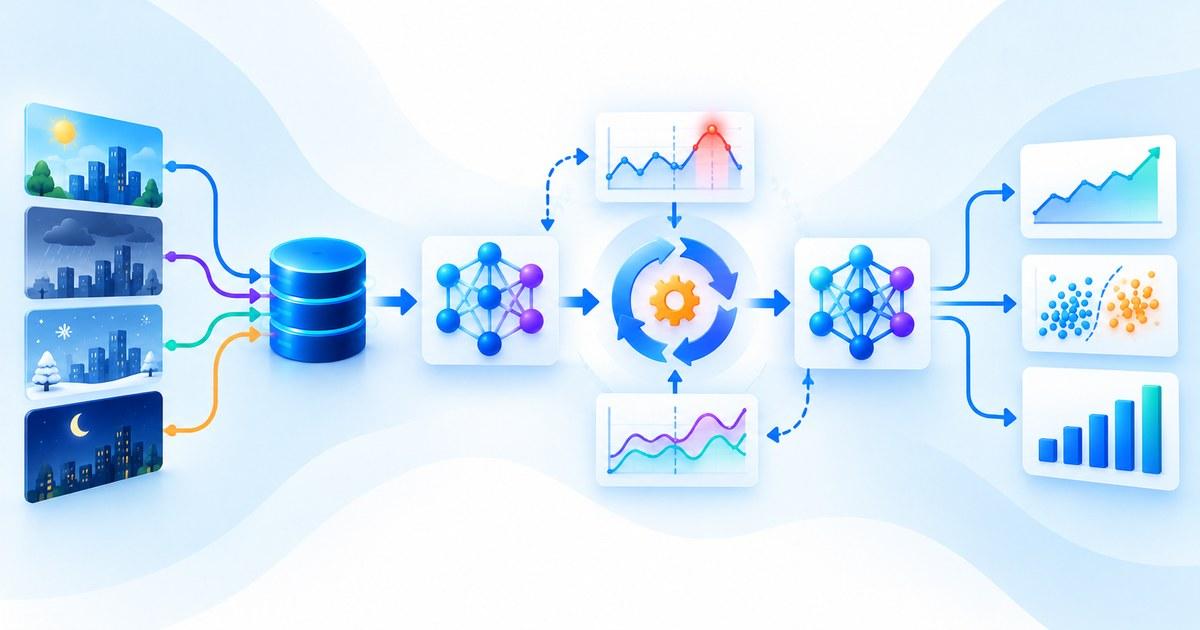
That delay can become significant in applications where the relevance of a result depends on recent actions, such as interactive search, live shopping experiences, media discovery, or dynamically changing product availability. If a customer repeatedly searches for a particular product category, a profile refreshed only once per day may fail to capture the emerging interest during the current visit, causing the application to continue presenting recommendations based on older behavior. Real-time personalization reduces this gap by incorporating selected events through streaming pipelines or online feature updates, allowing relevant information to become available before the next prediction or recommendation is generated.
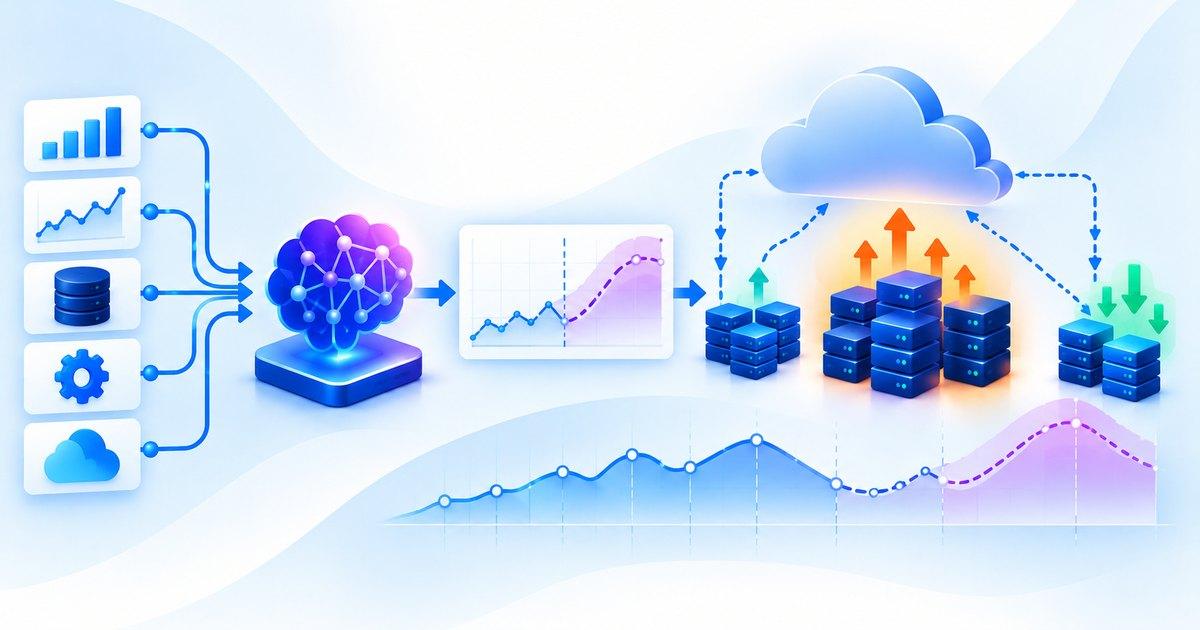
Real-time processing does not mean that every feature must be recalculated after every interaction, since many historical attributes remain useful even when they are updated less frequently. A practical architecture can combine batch-computed features, such as long-term purchasing patterns, with rapidly updated session signals, such as recently viewed products or current search terms, creating a balance between computational efficiency and responsiveness. Engineering teams must also account for event-delivery delays, duplicate events, processing failures, and the cost of maintaining streaming infrastructure, ensuring that the freshness benefits of real-time personalization justify the additional operational complexity.
Key Takeaway
Real-time personalization enables software systems to adapt to changing user intent by combining historical preferences with fresh behavioral and session-level signals, allowing applications to respond while an interaction is still underway. Delivering this capability reliably requires timely event processing, appropriate separation of session context and long-term profiles, and careful control of latency, data consistency, and privacy. By combining real-time signals with batch-computed features where appropriate, engineering teams can create more relevant experiences without sacrificing application performance or introducing unnecessary operational complexity.
Section 2: How Real-Time Personalization Systems Turn User Events Into Decisions
Capturing Clicks, Searches, Purchases, and Other Behavioral Events
Real-time personalization begins with capturing user interactions as structured events that describe how individuals interact with an application, what they explore, and which actions indicate changes in their immediate interests. These events may include search queries, product views, clicks, purchases, video completions, navigation transitions, or changes to application preferences, with each event providing a partial signal about the user's current intent. To make these interactions useful for downstream decisions, engineering teams must define consistent event schemas containing relevant identifiers, timestamps, action types, and contextual attributes, allowing different application services to publish behavioral information without creating incompatible representations of the same activity.
An event-driven architecture can transmit these interactions from application services to a message broker or streaming platform, where downstream consumers process them for session management, feature updates, recommendation generation, and analytical workloads. For example, when a customer views several laptops and begins comparing processors, memory capacities, and prices, the application can publish those interactions as events that update the customer's current session context. A personalization service can then retrieve the updated context during a subsequent request and adjust the recommended products, making the experience responsive to recent behavior without requiring every application component to implement its own personalization logic.
Reliable event capture requires attention to duplicate messages, delayed delivery, ordering, and incomplete payloads because errors in these early stages can propagate into user-state representations and downstream predictions. Engineers should establish stable event identifiers, consistent timestamp semantics, schema validation, and appropriate processing guarantees, while distinguishing the time an interaction occurred from the time the system received or processed it. These practices align with “ML Data Pipelines for Software Engineers: From Event Streams to Model-Ready Data,” where reliable event ingestion and transformation form the foundation for preparing operational data that machine learning systems can use effectively.
Maintaining Updated User State Through Streaming and Online Feature Processing
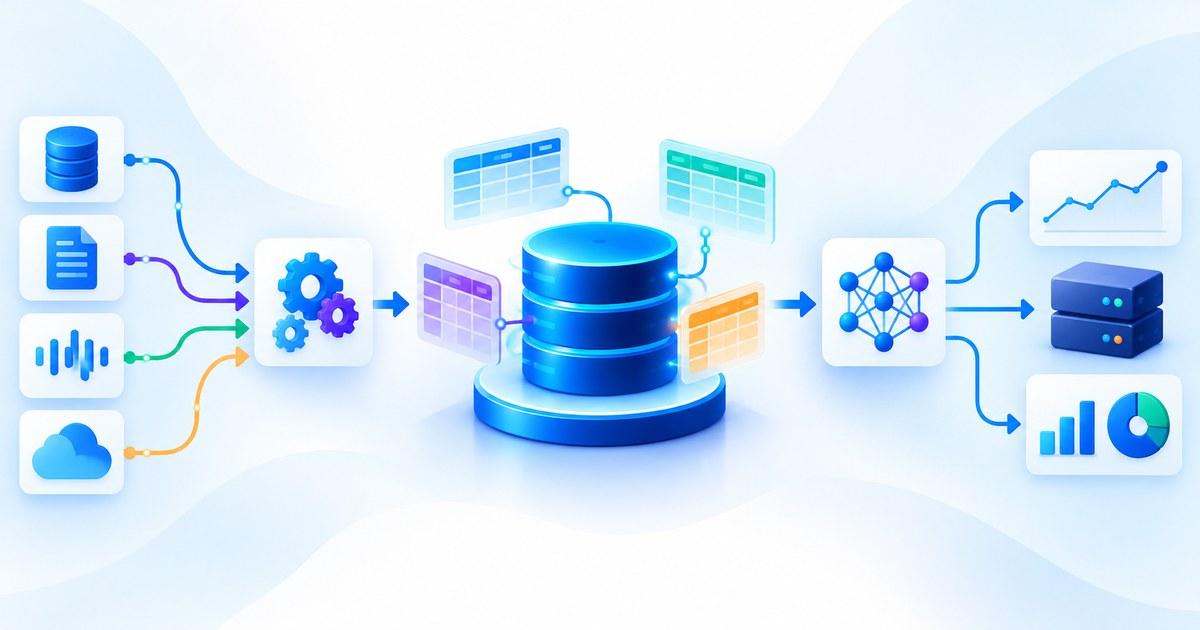
Capturing behavioral events is only the first step because personalization systems must transform individual interactions into features that represent the user's current context in a form that can be retrieved efficiently during inference. These features may describe the items recently viewed, categories explored during the current session, recent search terms, interaction frequency, or the time elapsed since a meaningful action, with each value providing a different perspective on the user's evolving interests. Streaming processors can update selected features as events arrive, while an online feature store or state-management service maintains the latest values so that subsequent application requests can retrieve them without recomputing the entire interaction history.
A practical design often combines rapidly updated session features with longer-term behavioral attributes calculated through batch processing, allowing the system to balance responsiveness against computational cost. For example, a streaming pipeline may maintain the categories a customer has recently explored, while a separate batch workflow calculates longer-term purchasing preferences and average spending patterns, with the personalization service combining both representations when generating recommendations. This hybrid approach allows recent behavior to influence the current experience without discarding useful historical context, while avoiding the expense of recalculating every feature whenever a new interaction occurs.
Maintaining updated user state also introduces consistency challenges because event ingestion, stream processing, feature materialization, and online retrieval may operate at different speeds. A user might perform a search that has already been recorded by the event pipeline while the corresponding feature update remains in progress, causing the next request to retrieve a state representation that does not yet include the latest action. Engineering teams should therefore define acceptable freshness requirements, monitor processing delays, handle late-arriving events, and determine how the system behaves when a recent feature update is unavailable, ensuring that stale information does not silently compromise personalization quality.
Combining User Context, Candidate Generation, and Personalized Scoring
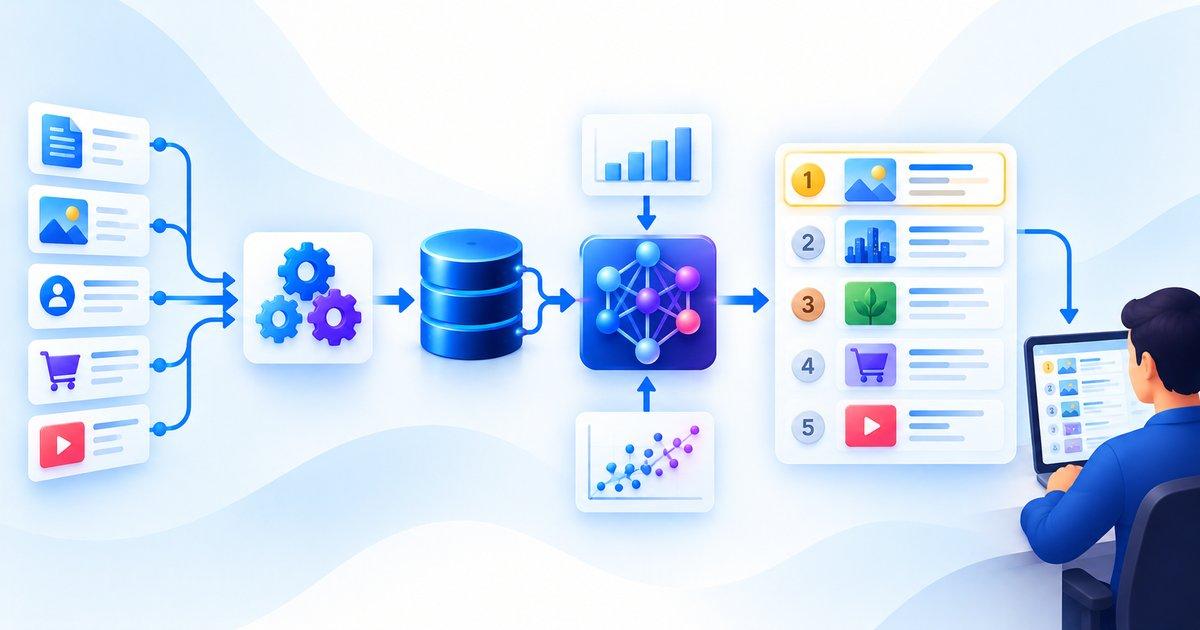
Once current user context is available, a personalization system must identify suitable candidates and determine which options deserve priority for the user's present interaction. Candidate generation narrows a large collection of items to a manageable subset using mechanisms such as collaborative filtering, content similarity, semantic retrieval, or predefined eligibility rules, after which a ranking model evaluates those candidates using user features, item attributes, session signals, and contextual information. Separating candidate generation from personalized scoring allows the system to retrieve options efficiently while allocating more computational effort to evaluating the relevance of the candidates that are most likely to satisfy the user's current needs.
For example, a streaming application may retrieve videos related to a user's recent searches and viewing history, then apply a ranking model that considers current session activity, historical preferences, content freshness, and predicted engagement. If the user has recently shifted from watching short tutorials to exploring advanced technical lectures, session-level signals can influence the ordering even when the long-term profile still reflects a broader interest in introductory content. This combination helps the application respond to emerging intent while retaining historical information that remains relevant, rather than allowing one recent action to determine the entire experience.
The quality of personalized decisions depends on how well the training objective reflects meaningful user outcomes, since optimizing immediate clicks alone can favor content that attracts attention without satisfying the user's underlying goal. Recommendation systems may therefore combine engagement signals with measures such as successful searches, completed purchases, content completion, or other outcomes appropriate to the application, while enforcing requirements for eligibility, safety, and content diversity where needed. By evaluating the complete process from candidate generation through personalized scoring, engineering teams can ensure that fresh behavioral information improves the final experience rather than simply changing the ranking in response to every incoming event.
Key Takeaway
Real-time personalization converts user interactions into decisions through a connected pipeline of event capture, streaming feature updates, context-aware candidate generation, and personalized scoring. Reliable implementations combine fresh session signals with useful historical information while managing event delays, inconsistent user state, cold-start scenarios, and incomplete data. By maintaining consistent event contracts and defining appropriate fallbacks, engineering teams can create adaptive user experiences that respond to current intent without compromising performance, reliability, or privacy.
Section 3: Evaluating Personalization Quality While Protecting User Trust
Measuring Relevance, Engagement, and Successful User Outcomes
Evaluating real-time personalization requires measuring whether adapting experiences to individual users produces meaningful improvements rather than simply increasing the volume of interactions. Metrics such as click-through rate, recommendation engagement, session duration, and conversion rate can reveal how users respond to personalized content, but these indicators do not always establish whether the experience actually helps them accomplish their goals. A recommendation system may increase clicks by repeatedly presenting attention-grabbing items, for example, while making it more difficult for users to discover suitable alternatives, so engineering teams should connect engagement measurements with outcomes such as successful searches, completed transactions, content completion, or customer satisfaction where reliable measurements are available.
Evaluation should also distinguish between immediate session behavior and longer-term user outcomes, because an interaction that attracts attention in the moment may not contribute to sustained satisfaction or repeat engagement. An online marketplace might observe an increase in product clicks after introducing more aggressive personalization, but the change may not represent an improvement if purchases remain unchanged or users abandon their sessions after viewing irrelevant items. By examining several complementary metrics across different stages of the user journey, teams can identify whether personalization helps users discover relevant content, complete intended tasks, and continue using the application without unnecessary friction.
Real-time systems require additional evaluation of operational performance because even highly relevant recommendations can undermine the user experience when generating them introduces excessive latency or unreliable application behavior. Engineering teams should therefore assess recommendation quality alongside response-time percentiles, inference errors, feature freshness, fallback frequency, and infrastructure costs, allowing them to understand the trade-offs between personalization depth and system responsiveness. Segment-level analysis can reveal whether the same changes benefit different user groups consistently, while comparison against a reliable non-personalized baseline helps determine whether the additional complexity of real-time adaptation produces measurable value.
Using Online Experiments to Validate Personalization Changes
Offline evaluation provides a controlled environment for comparing personalization models using historical interactions and labeled examples, but it cannot fully reproduce how users will respond when a new model changes the experiences they encounter in a live application. A revised recommendation model may improve its offline ranking metrics while changing the distribution of content shown to users, affecting engagement patterns, purchases, and subsequent behavioral signals in ways that historical data cannot completely capture. Online experiments, particularly randomized A/B tests, allow engineering teams to compare a new personalization strategy with an existing baseline under live conditions while measuring its impact on predefined user and operational outcomes.
A well-designed experiment should identify the primary outcome that the personalization change is intended to improve and establish guardrail metrics that help detect unintended consequences, such as increased response latency, higher error rates, reduced content diversity, or declining user satisfaction. For example, a streaming platform might test whether incorporating current-session activity improves content completion compared with recommendations based mainly on historical preferences, while monitoring whether the updated system repeatedly promotes a narrow set of content categories. Randomization, suitable sample sizes, consistent assignment of users to experimental groups, and an adequate observation period help reduce misleading conclusions caused by random variation or temporary traffic patterns.
Experiment results should be interpreted in the context of the complete personalization system, since changes in feature freshness, candidate availability, or infrastructure behavior can influence observed outcomes alongside the model itself. Teams should also examine whether an average improvement conceals negative effects for particular user segments or usage scenarios, using appropriate safeguards when the application handles sensitive data or consequential decisions. By combining offline evaluation with controlled online experiments and operational monitoring, engineering teams can determine whether personalization changes create genuine user value before expanding them across the application.
Preventing Feedback Loops and Overly Narrow Recommendations
Real-time personalization systems influence the behavioral data they subsequently observe, creating feedback loops that can gradually reinforce existing recommendations instead of discovering the user's broader interests. When an application repeatedly promotes particular products or content categories, users receive greater exposure to those items and therefore have more opportunities to interact with them, causing the system to interpret the resulting engagement as further evidence that similar recommendations should dominate future experiences. Although this process can strengthen the apparent relevance of familiar content, it may also reduce diversity, limit discovery, and make the personalization model increasingly dependent on patterns that its previous decisions helped create.
These problems become more significant when systems treat clicks or viewing time as direct indicators of user preference without accounting for the influence of recommendation placement and exposure. A user who repeatedly sees a particular category may interact with it because it is prominently displayed, while alternatives receive little engagement simply because they rarely appear in the available results. Engineering teams can reduce this distortion by recording impressions alongside interactions, evaluating outcomes in the context of exposure, and introducing carefully controlled exploration when appropriate, allowing the system to gather evidence about alternatives without abandoning established relevance objectives.
The challenges discussed in “The Challenge of Feedback Loops in Production Machine Learning” are particularly relevant because adaptive applications must distinguish genuine user preferences from behavior shaped by their own recommendation policies. Strategies such as limiting repetitive recommendations, incorporating diversity constraints, monitoring exposure distributions, and evaluating longer-term user outcomes can help prevent the system from narrowing its recommendations excessively, while controlled experimentation provides evidence about whether alternative items or categories improve the overall experience. By treating feedback as potentially biased evidence rather than unquestionable ground truth, engineering teams can preserve personalization benefits while supporting discovery and reducing the risk of reinforcing unhelpful patterns.
Key Takeaway
Effective real-time personalization requires more than adapting recommendations quickly, because engineering teams must also establish whether those changes improve meaningful user outcomes without introducing excessive latency, biased feedback loops, or privacy risks. By combining outcome-based measurement with controlled experiments, diversity-aware recommendation strategies, and privacy-conscious data management, teams can build personalization systems that remain useful as user preferences evolve. The goal is to deliver contextually relevant experiences while maintaining the performance, transparency, and responsible data practices necessary for sustained user trust.
Conclusion: Building Digital Experiences That Adapt to Individual Users
Real-time personalization enables software systems to move beyond static user profiles and predetermined experiences by incorporating fresh behavioral signals, session context, and machine learning predictions into application decisions as users interact with a product. Instead of relying exclusively on historical preferences or periodically refreshed recommendations, these systems can respond to changing interests, evolving intent, and immediate contextual information, making digital experiences more relevant to the user's current needs. Delivering this capability reliably, however, requires more than an effective recommendation model, because the underlying architecture must collect behavioral events, update relevant features, retrieve suitable candidates, generate predictions, and return results within the application's performance requirements.
The technical foundation of real-time personalization lies in connecting event processing, user-state management, feature engineering, and inference through a coordinated production pipeline. Event streams capture interactions such as searches, clicks, purchases, and content views, while streaming processors and online feature stores transform selected events into information that can be retrieved during subsequent requests. By combining these fresh signals with long-term preferences and contextual information, personalization services can adapt recommendations without discarding useful historical knowledge or recalculating every feature for each interaction. A hybrid architecture that combines batch-computed attributes with selectively updated session features often provides a practical balance between responsiveness, computational efficiency, and data freshness.
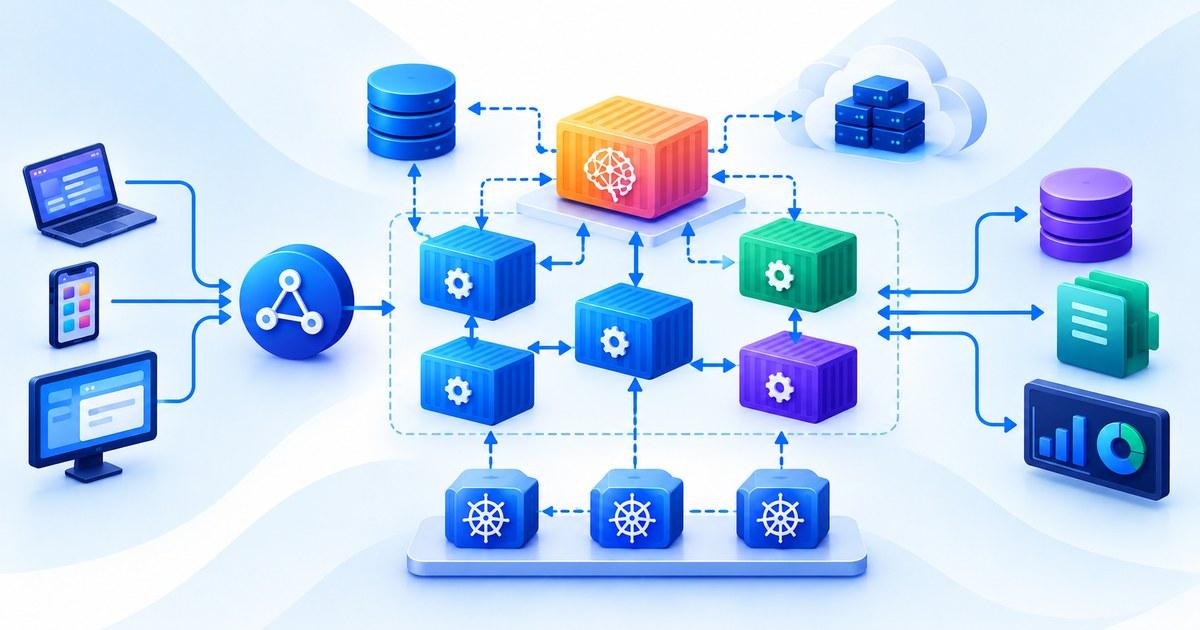
Production implementation introduces additional challenges because every network call, feature lookup, model invocation, and downstream operation contributes to the overall response time. Engineering teams must therefore optimize the complete personalization request path through efficient service boundaries, suitable caching strategies, precomputation, concurrency controls, and workload-aware scaling. Reliable fallback mechanisms also remain essential because a personalization service may occasionally receive incomplete user context, encounter stale features, or experience inference failures, making it important to preserve useful application functionality when the ideal personalized response cannot be generated within the available latency budget.
The effectiveness of personalization must be evaluated through meaningful user outcomes rather than engagement metrics alone, since higher click-through rates do not automatically indicate greater satisfaction or successful task completion. Controlled experiments, outcome-based measurements, and segment-level analysis help determine whether personalized experiences improve discovery, relevance, conversion, or other intended objectives, while monitoring feedback loops helps prevent systems from repeatedly promoting familiar content simply because it previously received greater exposure. These safeguards allow engineering teams to distinguish genuine improvements in user experience from changes that merely reinforce the behavior encouraged by earlier recommendation decisions.
Privacy and responsible data management must also be integral to personalization architecture because adaptive experiences often depend on collecting, combining, and processing behavioral information across multiple services. Data minimization, appropriate consent management, access controls, defined retention periods, and consistent handling of user preferences help prevent the infrastructure from retaining or using more information than the intended experience requires. By incorporating these controls into event schemas, feature pipelines, APIs, and data lifecycle processes, engineering teams can preserve the benefits of contextual adaptation while maintaining appropriate boundaries around personal information.
Ultimately, successful real-time personalization depends on balancing relevance, responsiveness, reliability, and user trust through a carefully engineered production system. Not every attribute requires real-time processing, not every interaction justifies an expensive model inference, and not every increase in engagement represents a meaningful improvement. By identifying which signals materially influence user outcomes, combining fresh context with reliable historical features, and validating architectural choices against measurable performance and privacy requirements, software engineers can build adaptive applications that respond intelligently to individual users without introducing unnecessary complexity or compromising the quality of the overall experience.
Frequently Asked Questions
1. What Is Real-Time Personalization?
Real-time personalization is the process of adapting digital experiences using current user behavior, session context, and relevant application information as interactions occur. Instead of relying exclusively on static profiles or periodically updated recommendations, a real-time personalization system can incorporate recent searches, clicks, purchases, or navigation patterns into its decisions, allowing applications to adjust the content, products, or recommendations presented to an individual during an active session.
2. How Is Real-Time Personalization Different From Traditional Personalization?
Traditional personalization often relies on historical user profiles, precomputed behavioral aggregates, and recommendations generated through scheduled processing, whereas real-time personalization incorporates newer signals that reflect the user's current activity. Both approaches can be combined within the same architecture, allowing long-term preferences to provide a stable foundation while recent interactions influence decisions when immediate intent or changing context makes fresh information particularly valuable.
3. How Does a Real-Time Personalization System Work?
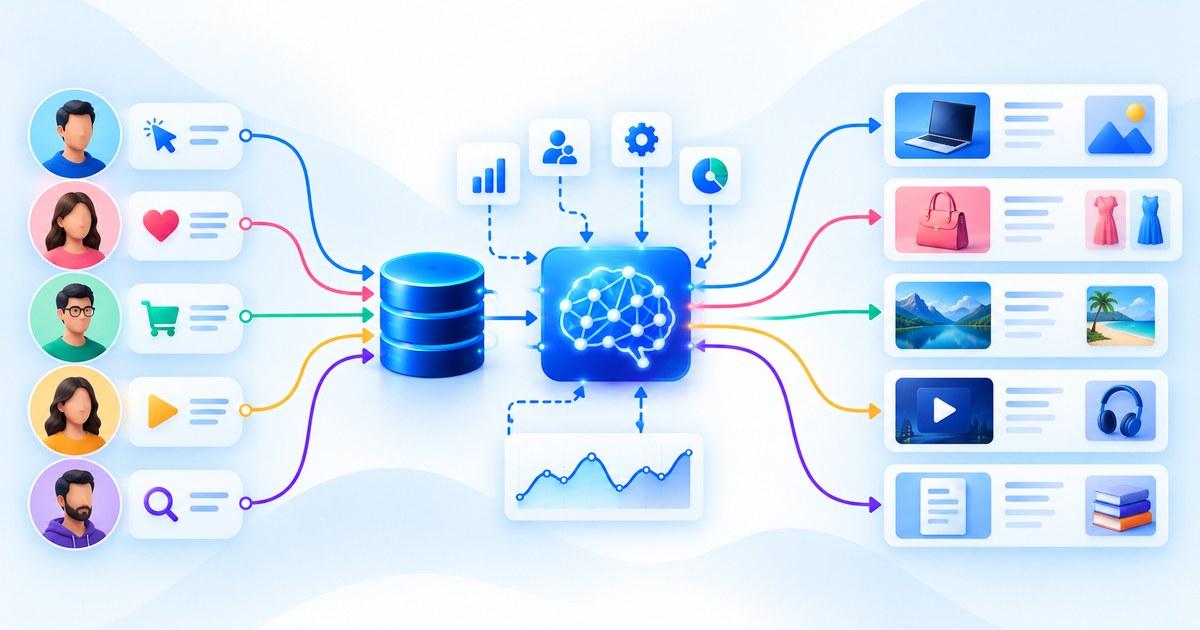
A real-time personalization system typically captures user events, processes relevant interactions, updates selected features or session state, retrieves suitable candidates, and evaluates them using recommendation or ranking models before returning personalized results. The architecture may use event streams for behavioral updates, online feature stores for low-latency retrieval, and model-serving services for inference, with the complete workflow designed to meet application latency and reliability requirements.
4. What Types of User Data Are Used for Real-Time Personalization?
Real-time personalization can use recent searches, product views, clicks, purchases, session activity, content interactions, and relevant contextual signals, alongside appropriate historical preferences and item attributes. The specific information depends on the intended experience, with engineering teams selecting signals that provide measurable value while avoiding unnecessary collection of personal data and respecting applicable consent, security, and retention requirements.
5. What Is the Role of Event Streaming in Real-Time Personalization?
Event streaming allows application services to publish user interactions continuously so that downstream systems can process them without requiring every producer to wait for every consumer to finish. Streaming consumers can update session context, calculate behavioral features, and make new information available to personalization services, although event-processing delays, duplicate messages, ordering, and recovery behavior must be managed carefully to ensure that resulting features remain dependable.
6. What Is the Difference Between Batch and Real-Time Personalization?
Batch personalization calculates user attributes or recommendations at scheduled intervals, making it appropriate for stable preferences, historical aggregates, and workloads where immediate updates provide limited benefit. Real-time personalization incorporates recent events into decisions with lower update latency, making it useful when current session behavior materially affects relevance, while many production applications combine both methods to balance computational efficiency with responsive user experiences.
7. How Do Feature Stores Support Real-Time Personalization?
Feature stores help personalization systems manage reusable features and provide consistent access to information required by recommendation and ranking models. An online feature store can supply precomputed values such as recent interaction counts, user preferences, or item attributes with low retrieval latency, while streaming and batch pipelines maintain those values according to their freshness requirements, helping reduce duplicated transformations and improve compatibility between training and production inference.
8. How Can Real-Time Personalization Meet Low-Latency Requirements?
Low-latency personalization depends on optimizing the entire request path, including candidate retrieval, feature access, model inference, and response generation, rather than measuring the model's execution time alone. Engineers can improve responsiveness through parallel feature retrieval, caching suitable data, precomputing expensive representations, batching compatible requests, and limiting unnecessary service calls, provided that these optimizations maintain acceptable data freshness and recommendation quality.
9. How Do Personalization Systems Handle New Users With Little or No History?
New users create a cold-start problem because the system has limited behavioral information from which to infer individual preferences. Personalization systems can address this limitation by using current search queries, session interactions, item attributes, contextual information, and general relevance signals, gradually incorporating additional behavioral evidence as the user interacts with the application without requiring a complete historical profile before generating useful results.
10. How Can a Personalization System Adapt to Changing User Intent?
A personalization system can adapt to changing intent by maintaining session-level features that capture recent searches, viewed categories, interaction sequences, and other relevant behavioral signals, allowing current activity to influence subsequent recommendations. Combining these signals with longer-term preferences helps the system respond to emerging interests without allowing one ambiguous or temporary action to override the user's broader behavioral history, while controlled feature updates preserve consistency across requests.
11. How Should Engineers Measure the Success of Real-Time Personalization?
Success should be measured through a combination of relevance, engagement, and meaningful user outcomes, such as successful searches, content completion, purchases, or task completion, depending on the application's purpose. Engineering teams should also monitor response latency, feature freshness, inference failures, and infrastructure costs, using controlled experiments and segment-level analysis to determine whether real-time adaptation improves the overall experience instead of merely increasing clicks or other superficial engagement indicators.
12. What Are Feedback Loops in Real-Time Personalization?
Feedback loops occur when personalization decisions influence the user behavior that subsequently becomes training or evaluation data, potentially reinforcing the system's previous recommendations. For example, prominently displayed items may receive more clicks because they receive greater exposure, leading the model to treat those interactions as evidence that the items should remain highly ranked, making impression logging, exposure-aware evaluation, controlled exploration, and longer-term outcome measurements important for maintaining balanced recommendations.
13. How Can Real-Time Personalization Systems Protect User Privacy?
Privacy-aware personalization begins with collecting only the information needed for the intended experience and applying appropriate controls to how that information is processed, accessed, retained, and shared. Engineering teams should incorporate consent and preference management, data minimization, access restrictions, appropriate retention periods, and consistent handling of deletion requests into event pipelines, user-state services, and feature stores, ensuring that privacy requirements remain effective across the distributed architecture rather than being enforced only at the application interface.
14. What Happens When a Personalization Service or Feature Store Becomes Unavailable?
When a personalization dependency becomes unavailable or exceeds its latency budget, the application should follow a predefined fallback strategy that preserves useful functionality without violating essential business rules. Depending on the use case, the system may return popular or contextually relevant recommendations, use a simpler ranking model, rely on sufficiently fresh cached information, or fall back to non-personalized results, with bounded timeouts and appropriate monitoring preventing one failed component from destabilizing the entire request workflow.
15. When Should a Company Invest in Real-Time Personalization?
Real-time personalization is particularly valuable when recent user behavior materially changes which results are useful and when delayed updates would noticeably reduce relevance, such as in interactive search, product discovery, recommendation feeds, and context-sensitive digital experiences. Before introducing streaming pipelines and online inference infrastructure, companies should establish that fresh behavioral signals improve measurable outcomes enough to justify the additional complexity, since a hybrid or batch-oriented design may provide better overall value when user preferences change slowly or immediate adaptation offers limited benefit.