Track 1: Machine Learning Engineering (Months 8–10)
Career Paths: ML Engineer, Applied Scientist, AI Infrastructure Engineer, Recommendation Systems Engineer.
Month 8: Advanced ML Systems & Scalable Infrastructure
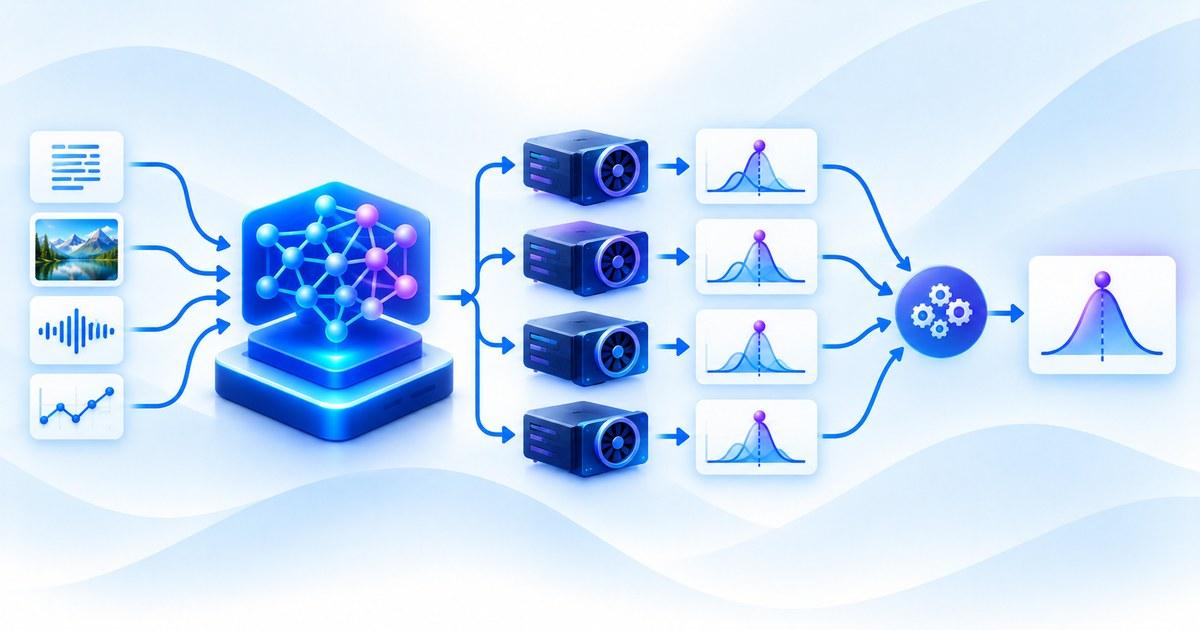
Week 1: Distributed training, data and model parallelism, PyTorch Lightning, Horovod, Ray, and GPU cluster allocation.
Week 2: Recommendation architectures, collaborative filtering, matrix factorization, Deep & Cross Networks, and two-tower embeddings.
Week 3: Learning to Rank, LambdaMART, vector retrieval, reranking models, and real-time feature store queries.
Week 4: A/B testing, shadow deployments, multi-armed bandits, canary releases, and feature flags.
Month 9: Production ML Optimization & Low-Latency Inference
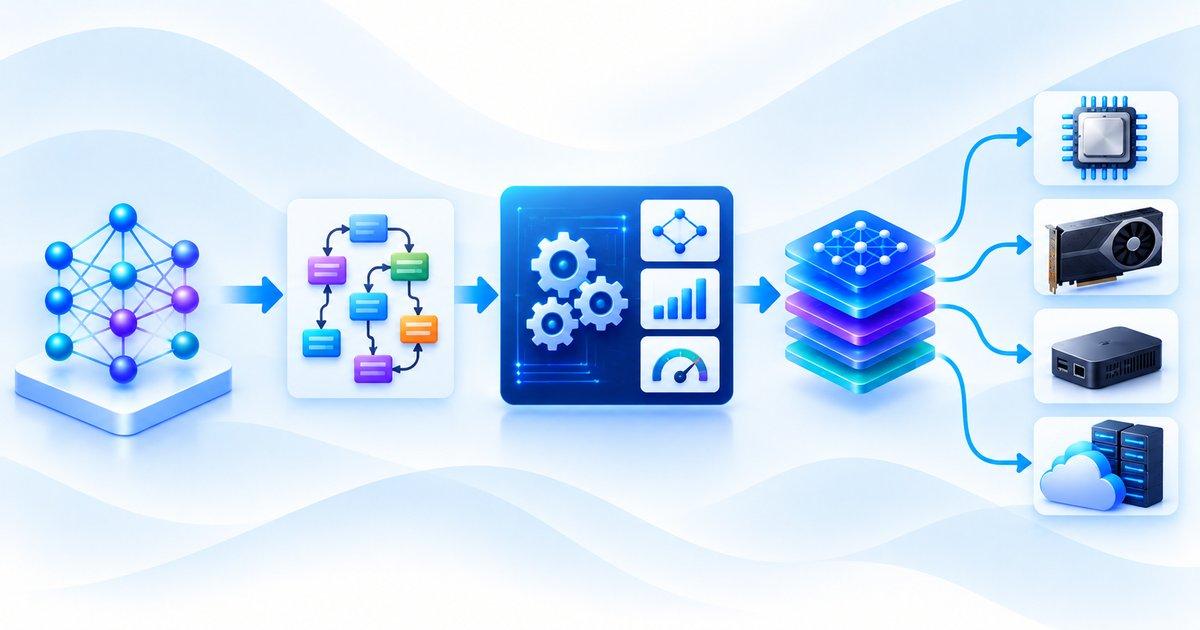
Week 1: TensorRT, ONNX Runtime, FP16/INT8 quantization, and knowledge distillation.
Week 2: Triton Inference Server, dynamic batching, asynchronous request queuing, and shared-memory optimization.
Week 3: Data distribution shift, statistical drift testing, and concept drift mitigation.
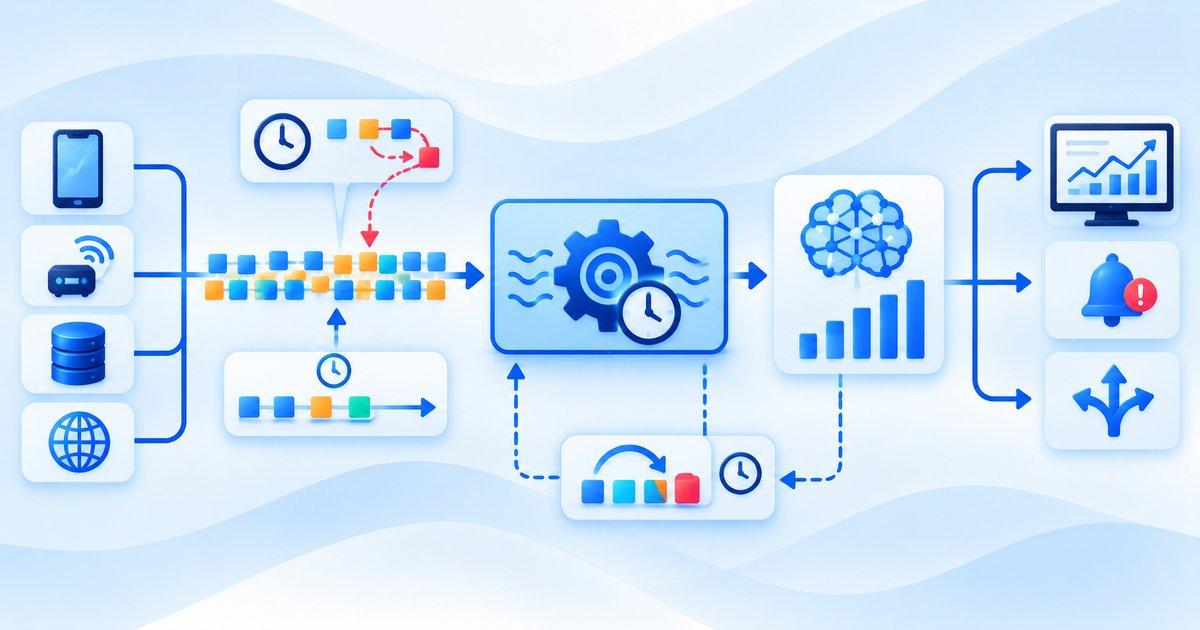
Week 4: Batch and streaming inference architectures, Spark/Flink integration, and Redis caching.
Month 10: Enterprise Capstone Execution
Build an enterprise movie recommendation and search-ranking engine using two-tower deep learning models, TensorRT, and Triton. Support real-time personalization and low-latency ranking across 10 million items, with automated CI/CD and drift monitoring.
Capstone Deliverables: Production code, PyTorch models, ONNX deployment artifacts, Triton configuration files, benchmark report, and executive architecture deck.
Track 2: Agentic AI Engineering (Months 8–10)
Career Paths: Autonomous Systems Engineer, AI Agent Developer, Generative AI Specialist, LLM Architect.
Month 8: Building Autonomous & Intelligent Agents
Week 1: ReAct and Plan-and-Solve reasoning patterns, stateful memory, self-correction, and structured output schemas.
Week 2: LangGraph, CrewAI, OpenAI Agents SDK, and AutoGen.
Week 3: Multi-step workflow automation, external tool orchestration, database querying, and human-in-the-loop review.
Week 4: Agent evaluation, hallucination benchmarking, tool validation, prompt injection defense, and reliability scoring.
Month 9: Multi-Agent Systems & Swarm Intelligence
Week 1: Planner-executor architectures, router patterns, supervisor-worker hierarchies, and agent communication.
Week 2: Asynchronous messaging, shared-state synchronization, and conflict resolution.
Week 3: Episodic memory, semantic retrieval, context routing, and automatic conversation compression.
Week 4: Session management, error recovery, rate-limit handling, and token cost control.
Month 10: Enterprise Capstone Execution
Build an autonomous AI software development team with Planner, Coder, Code Reviewer, and QA Automation agents. The system will write, test, debug, and deploy software repositories from natural-language product requirements.
Capstone Deliverables: A functioning LangGraph engine, multi-agent sandbox execution container, evaluation benchmark report, and interactive web dashboard.
Track 3: Forward Deployed Engineering (Months 8–10)
Career Paths: Forward Deployed AI Engineer, Enterprise AI Solutions Architect, Technical AI Consultant.
Month 8: Customer Discovery & Technical Solution Architecture
Week 1: Enterprise scoping workshops, business process mapping, AI feasibility assessments, and data availability audits.
Week 2: Success KPIs, latency-versus-cost analysis, legacy system integration, and threat modeling.
Week 3: Product requirements documents, high-level architecture, interface contracts, and customer SLAs.
Week 4: Simulated customer discovery sessions with enterprise stakeholders and technical directors.
Month 9: Building Enterprise Solutions & Client Integrations
Week 1: Rapid AI MVP prototyping, customer mockups, and middleware development.
Week 2: Integration with enterprise ERPs, Salesforce/SAP, SQL databases, and internal APIs.
Week 3: On-premise and hybrid deployments, air-gapped environments, VPC configuration, and OAuth/SAML identity management.
Week 4: User acceptance testing, stakeholder feedback, UI/UX refinement, and domain feedback pipelines.
Month 10: Enterprise Capstone Execution
Develop and deploy an enterprise customer intelligence and workflow engine for a simulated Fortune 500 organization. Integrate enterprise data ingestion, security and compliance verification, customized RAG pipelines, and automated ROI dashboards.
Capstone Deliverables: Discovery report, production MVP integration code, VPC deployment scripts, end-user training documentation, and ROI evaluation deck.
Track 4: AI Architecture (Months 8–10)
Career Paths: Staff AI Engineer, Principal Engineer, Lead AI Architect, Head of AI Platform.
Month 8: Enterprise AI Platforms & Multi-Model Ecosystems
Week 1: Multi-tenant isolation, shared GPU memory pooling, centralized model registries, and global rate limiting.
Week 2: Dynamic model routing, cost/latency trade-offs, fallback strategies, semantic caching, and multi-vendor load balancing.
Week 3: Global vector databases, distributed feature stores, graph-enhanced retrieval, and data lake integration.
Week 4: Enterprise AI security policies, compliance auditing, zero-data-retention enforcement, and cost allocation.
Month 9: Scaling Enterprise AI & Infrastructure Resilience
Week 1: Multi-region cloud topologies, cross-region failover, geo-distributed vector indices, and latency optimization.
Week 2: Kubernetes for AI, custom resource definitions, GPU autoscaling, and spot instance optimization.
Week 3: Disaster recovery, fault-injection testing, automated failover, and data recovery.
Week 4: Infrastructure as Code with Terraform, internal developer portals, and automated policy guardrails.
Month 10: Enterprise Capstone Execution
Architect and implement a multi-region global enterprise AI gateway that manages multi-tenant traffic, dynamically routes LLM requests, uses intelligent vector caching, scales GPU clusters, and evaluates access policies at very low latency.
Capstone Deliverables: High-level and low-level design documents, Terraform deployment scripts, multi-region Kubernetes manifests, security assessment report, and executive architecture defense presentation.