Section 1: Why Employability Is Changing Faster Than Ever in the AI Era
Artificial intelligence is transforming software engineering at a pace unlike any previous technology shift. From AI-powered coding assistants and autonomous software agents to intelligent testing platforms and enterprise automation, AI is changing not only how software is developed but also what organizations expect from engineers. Tasks that once consumed hours of manual effort, writing boilerplate code, generating documentation, debugging common issues, creating unit tests, and even designing simple architectures, can now be completed in minutes with AI assistance. While these advances are significantly improving developer productivity, they are also raising important questions about long-term employability. Many engineers wonder whether their current skills will remain valuable as AI continues becoming more capable and increasingly integrated into every aspect of software development.
The reality is more nuanced than the popular narrative that AI will simply replace software engineers. Throughout the history of technology, new tools have consistently automated repetitive work while simultaneously creating demand for higher-value skills. The introduction of cloud computing reduced the need for manual server management but increased demand for cloud architects. DevOps automated deployment pipelines while creating entirely new engineering roles focused on infrastructure and reliability. Similarly, AI is changing the nature of software engineering rather than eliminating it. Engineers who adapt to this evolution will find new opportunities emerging even as routine development tasks become increasingly automated.
The challenge, therefore, is not competing against AI but learning how to work alongside it. Organizations are increasingly seeking engineers who understand how to leverage AI effectively while continuing to contribute the architectural thinking, business understanding, creativity, and engineering judgment that intelligent systems cannot reliably replicate. Employability during the AI revolution depends less on mastering a particular programming language and more on developing the ability to solve complex problems in partnership with increasingly capable intelligent tools.
AI Is Transforming Engineering Roles Instead of Eliminating Them
One of the most common concerns surrounding artificial intelligence is that software engineering jobs will gradually disappear as AI becomes capable of generating increasingly sophisticated code. Although AI has dramatically improved code generation, this perspective overlooks how modern software development actually operates within enterprise environments. Building production software involves significantly more than writing code. Engineers design scalable architectures, evaluate technical trade-offs, integrate distributed systems, ensure security, collaborate with stakeholders, manage cloud infrastructure, monitor production applications, and align technical decisions with long-term business objectives. These responsibilities require contextual understanding, judgment, and cross-functional collaboration that extend well beyond the capabilities of today's AI systems.
Rather than replacing engineers, AI is increasingly automating routine implementation work. Coding assistants accelerate development by generating repetitive code, suggesting optimizations, identifying common bugs, and assisting with documentation. This automation allows developers to spend more time solving architectural challenges, improving system reliability, optimizing user experiences, and designing intelligent software capable of supporting evolving business requirements. Engineers who embrace these productivity gains often become more valuable because they deliver higher-quality software more efficiently while focusing on work that creates greater organizational impact.
The emergence of enterprise AI also creates entirely new engineering responsibilities. Organizations now require professionals who can integrate foundation models into production applications, build Retrieval-Augmented Generation systems, orchestrate AI agents, monitor model performance, secure intelligent workflows, govern AI behavior, and design scalable AI infrastructure. These responsibilities combine traditional software engineering with artificial intelligence, creating career opportunities that did not exist only a few years ago.
Adaptability Has Become the Most Valuable Professional Skill
Perhaps the most important lesson of the AI revolution is that long-term employability depends less on existing technical expertise than on the ability to continue learning as technology evolves. Artificial intelligence is advancing more rapidly than almost any previous engineering discipline. New language models, orchestration frameworks, development tools, cloud services, and enterprise architectures emerge regularly, making it impossible for engineers to rely indefinitely on a fixed collection of technical skills.
Adaptability therefore becomes a defining competitive advantage. Engineers who continuously explore emerging technologies, build practical projects, contribute to technical communities, and strengthen their engineering fundamentals consistently remain relevant despite rapid industry change. This learning mindset enables professionals to adopt new AI capabilities while recognizing which engineering principles continue providing long-term value regardless of technological evolution.
Strong software engineering fundamentals become especially important during periods of rapid innovation. Concepts such as algorithms, distributed systems, networking, databases, software architecture, cloud computing, security, testing, and system design remain essential regardless of whether applications incorporate artificial intelligence. Engineers who understand these foundational principles adapt more effectively because they evaluate new technologies through established engineering practices instead of chasing temporary trends.
Another important aspect of adaptability involves business awareness. Organizations invest in AI to improve customer experiences, increase productivity, reduce operational costs, accelerate innovation, and create competitive advantages. Engineers who understand these objectives naturally make better architectural decisions because they connect technical implementation with measurable business outcomes. This broader perspective enables developers to contribute strategically rather than focusing exclusively on technical execution.
The AI revolution ultimately rewards engineers who view learning as a continuous professional responsibility rather than preparation for occasional career transitions. Developers willing to expand their expertise while strengthening existing engineering capabilities will remain valuable because they evolve alongside the technology instead of competing against it.
Engineers interested in understanding how career expectations are changing should also explore “The AI Hiring Boom: Which Roles Will Grow the Fastest Through 2030?", which examines the emerging engineering roles, technical capabilities, and hiring trends shaping the future of AI-driven software careers.
Key Takeaway
The AI revolution is redefining software engineering by automating routine development tasks while creating demand for engineers capable of solving higher-value technical and business problems. Long-term employability will depend on adaptability, strong engineering fundamentals, practical AI knowledge, and the ability to collaborate effectively with intelligent development tools. Engineers who embrace continuous learning and evolve alongside AI will not only remain employable but will also position themselves for some of the most exciting career opportunities emerging throughout the next decade.
Section 2: The Skills That Will Keep Engineers Valuable in an AI-Driven World
As artificial intelligence becomes increasingly capable of generating code, debugging applications, writing documentation, and automating routine development tasks, the definition of a valuable software engineer is changing. In previous decades, technical proficiency was often measured by an engineer's ability to implement features quickly or master specific programming languages and frameworks. While these capabilities remain important, they are no longer sufficient on their own. Organizations are now seeking engineers who can combine technical expertise with architectural thinking, business understanding, and the ability to work effectively alongside AI-powered development tools.
This shift reflects a broader evolution in enterprise software development. AI can accelerate implementation, but it still relies on human engineers to define system requirements, evaluate trade-offs, ensure security, validate outputs, and make strategic engineering decisions. Modern development has therefore become less about writing every line of code manually and more about designing intelligent systems that deliver reliable business outcomes. Engineers who understand how to leverage AI while strengthening uniquely human capabilities will continue to remain highly employable as the technology evolves.
Rather than asking whether AI can perform a particular programming task, developers should focus on identifying the skills that organizations cannot easily automate. These capabilities will increasingly determine long-term career growth because they enable engineers to contribute beyond implementation and influence how software products are designed, deployed, and continuously improved.
System Design and Business Problem-Solving Will Become More Important Than Writing Code
One of the most significant changes taking place during the AI revolution is the growing importance of system-level thinking. AI can generate code for individual functions or recommend implementation patterns, but designing complete production systems remains a fundamentally human responsibility. Enterprise software requires engineers to balance scalability, reliability, security, performance, maintainability, operational costs, and business objectives simultaneously. These architectural decisions involve understanding organizational priorities, evaluating multiple technical approaches, and anticipating future requirements that cannot easily be inferred from code alone.
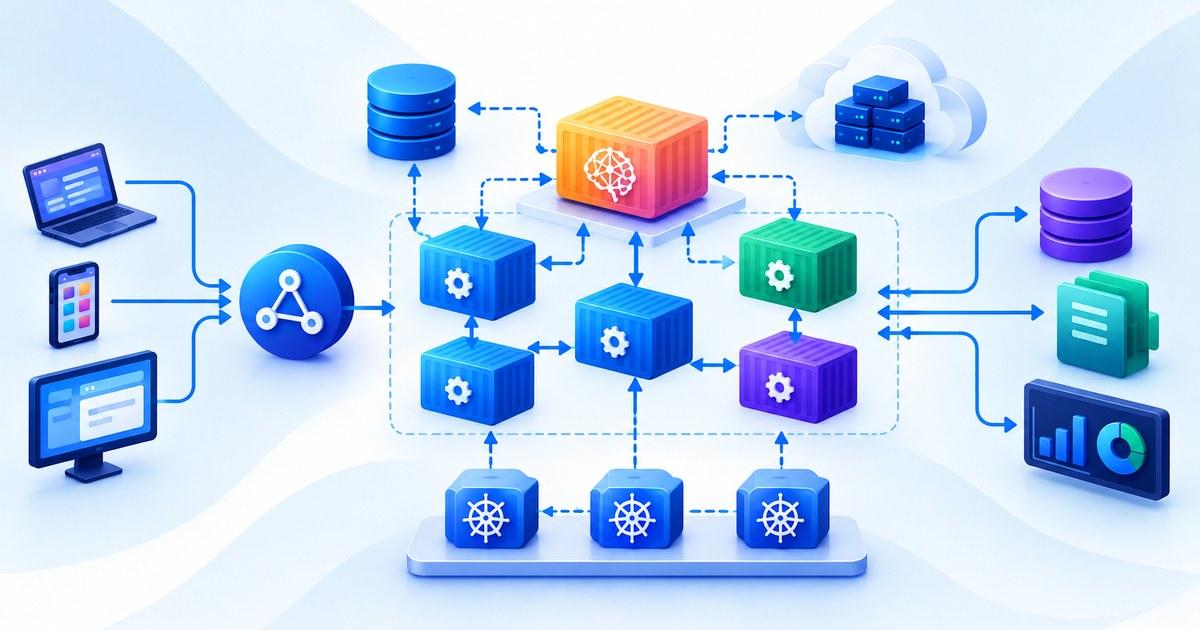
Modern AI-powered applications illustrate this evolution particularly well. Building an enterprise AI solution involves much more than integrating a language model through an API. Engineers must design secure authentication mechanisms, connect enterprise databases, orchestrate workflows, manage contextual memory, optimize cloud infrastructure, implement monitoring, establish governance policies, and ensure regulatory compliance. Each of these decisions requires engineering judgment rather than simple code generation.
Business problem-solving has become equally valuable because organizations invest in technology to achieve measurable outcomes rather than simply adopting new tools. Employers increasingly seek engineers who understand why software is being built, how customers interact with products, and which architectural decisions create the greatest long-term business value. Engineers who can connect technical implementation with organizational goals consistently contribute more effectively than those focused exclusively on writing efficient code.
Continuous Learning and AI Collaboration Will Define Future Engineering Careers
The rapid evolution of artificial intelligence means that no technical skill remains permanently sufficient. New programming frameworks, foundation models, cloud services, orchestration platforms, and development tools continue emerging at an unprecedented pace. Engineers who attempt to master a single technology without adapting will likely find their expertise becoming less relevant over time. In contrast, professionals who develop strong learning habits remain valuable because they evolve alongside the industry rather than struggling to keep pace with it.
Continuous learning extends beyond reading technical documentation or completing online courses. Successful engineers actively experiment with emerging AI technologies, build practical applications, contribute to open-source projects, and evaluate how new capabilities influence software architecture. This hands-on approach allows developers to understand not only how AI tools function but also when they should, and should not, be applied within production environments. Employers increasingly recognize that engineers who learn continuously adapt more effectively to changing technical requirements than those whose expertise remains tied to a particular framework or programming language.
Equally important is learning how to collaborate with AI rather than competing against it. Modern engineering teams increasingly rely on AI-powered coding assistants, automated testing platforms, documentation generators, infrastructure optimization tools, and intelligent debugging systems throughout the software development lifecycle. Engineers who understand how to guide these tools effectively often become significantly more productive because they spend less time on repetitive implementation and more time solving architectural challenges, reviewing designs, and improving product quality.
Communication also becomes increasingly valuable in AI-driven engineering environments. Software development now requires close collaboration between software engineers, AI specialists, cloud architects, cybersecurity professionals, product managers, designers, and business leaders. Engineers who explain technical decisions clearly, justify architectural trade-offs, and translate complex AI concepts into business language consistently create greater organizational impact than those who focus exclusively on technical implementation.
Perhaps the most important career lesson is that employability increasingly depends on adaptability rather than specialization alone. Engineers who combine software engineering fundamentals with AI literacy, business understanding, communication skills, and a commitment to continuous improvement position themselves for long-term success regardless of how rapidly technology changes. These qualities remain valuable because they reflect the ability to solve evolving problems rather than simply applying existing technical knowledge.
Developers preparing for this changing job market should also explore "From Coding to AI Engineering: The Career Shift Everyone Is Talking About," which provides a practical roadmap for software engineers looking to expand their expertise into AI while building the multidisciplinary skills employers increasingly expect in modern engineering roles.
Key Takeaway
Remaining employable during the AI revolution requires far more than learning new AI tools. Engineers who strengthen system design, business problem-solving, architectural thinking, communication, and continuous learning while embracing AI as a productivity partner will remain highly valuable. As routine coding becomes increasingly automated, organizations will place greater emphasis on professionals capable of designing intelligent systems, evaluating complex trade-offs, and delivering software solutions that create meaningful business impact.
Section 3: How Engineers Can Future-Proof Their Careers During the AI Revolution
The rapid advancement of artificial intelligence has made one reality increasingly clear: remaining employable is no longer about mastering a single programming language, framework, or technology stack. The pace of innovation has accelerated to the point where technical skills that are highly sought after today may become commonplace within only a few years. Large language models continue improving, AI coding assistants are becoming more capable, autonomous agents are handling increasingly sophisticated engineering tasks, and enterprise software is evolving into intelligent ecosystems rather than collections of standalone applications. In this environment, long-term career success depends on developing the ability to evolve continuously rather than attempting to remain an expert in technologies that inevitably change.
For software engineers, future-proofing a career does not require competing against artificial intelligence. Instead, it involves learning how to maximize the value AI creates while strengthening the uniquely human capabilities that remain essential for building production software. Organizations are increasingly seeking engineers who can lead AI-assisted development, evaluate architectural trade-offs, solve ambiguous business problems, and guide intelligent systems responsibly within enterprise environments. These qualities cannot be replaced simply by increasingly capable language models because they depend on contextual understanding, engineering judgment, and strategic thinking developed through practical experience.
The engineers who remain highly employable throughout the AI revolution will therefore be those who continually invest in broad engineering capabilities while embracing AI as an accelerator rather than viewing it as a competitor. This mindset transforms technological disruption into long-term career opportunity.
Build Practical Expertise Instead of Chasing Every New AI Technology
One of the most common mistakes engineers make during periods of rapid technological change is attempting to learn every new framework, library, or AI model immediately after it is released. While staying informed is important, constantly shifting attention between emerging technologies often results in fragmented knowledge without developing the practical expertise employers actually value. Organizations are rarely searching for candidates who have experimented briefly with dozens of tools. Instead, they seek engineers capable of building complete, reliable, and scalable software systems that solve meaningful business problems.
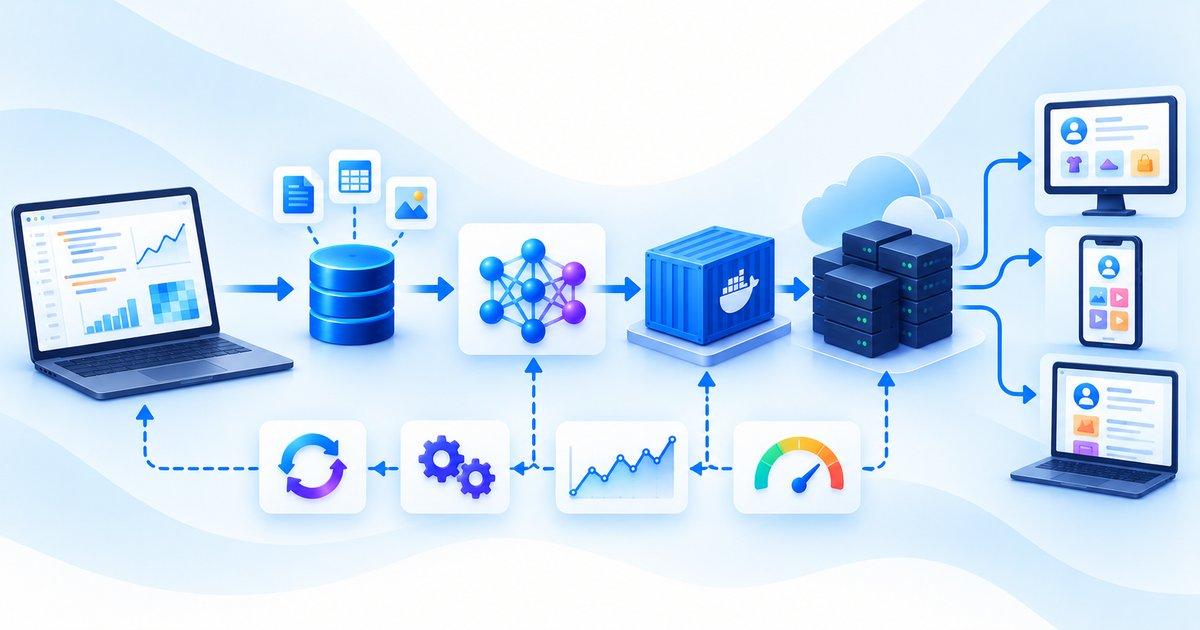
Practical experience therefore becomes significantly more valuable than theoretical familiarity. Engineers should focus on building production-oriented projects that combine software engineering with modern AI capabilities. Instead of experimenting only with prompt engineering or language model APIs, developers can design complete intelligent applications that integrate authentication, enterprise data, cloud deployment, monitoring, APIs, workflow orchestration, and user interfaces. These projects demonstrate the ability to deliver business value while applying AI within realistic engineering environments.
Developing expertise in system design also creates long-term career resilience. Regardless of how AI evolves, enterprise software will continue requiring scalable architectures, secure integrations, resilient infrastructure, efficient data management, and thoughtful engineering decisions. Engineers who understand these principles can adopt new AI technologies much more effectively because they evaluate innovations within the broader context of software architecture rather than viewing each technology in isolation.
Develop the Human Skills That AI Cannot Easily Replicate
Although AI continues advancing rapidly, certain engineering capabilities remain fundamentally human because they depend on judgment, collaboration, creativity, and contextual reasoning. These qualities are becoming increasingly valuable precisely because intelligent systems now automate many routine technical activities. As AI handles repetitive coding tasks, organizations place greater emphasis on engineers who can solve ambiguous problems, influence technical direction, and guide multidisciplinary teams through complex engineering challenges.
Communication is one of the most important of these capabilities. Modern software projects involve collaboration between software engineers, AI specialists, product managers, designers, cybersecurity professionals, legal teams, executives, and customers. Engineers who explain technical concepts clearly, justify architectural decisions, and align engineering solutions with business priorities consistently create greater organizational value than those who focus exclusively on implementation. Effective communication also becomes essential when reviewing AI-generated outputs, discussing governance policies, or helping organizations adopt intelligent systems responsibly.
Leadership represents another increasingly valuable skill. As AI improves developer productivity, senior engineers spend less time writing repetitive code and more time mentoring teams, reviewing system architectures, evaluating emerging technologies, and defining long-term technical strategy. Organizations rely on experienced engineers to determine where AI should be applied, which risks require mitigation, and how intelligent systems should evolve alongside changing business needs. Leadership therefore becomes an extension of technical expertise rather than a separate management discipline.
Adaptability continues to underpin every aspect of long-term employability. Successful engineers actively explore new technologies, participate in technical communities, contribute to open-source projects, attend engineering conferences, and continuously refine their skills through practical experimentation. Rather than reacting to technological change, they anticipate it by maintaining curiosity throughout their careers. This learning mindset enables engineers to remain relevant regardless of which frameworks, programming languages, or AI platforms become dominant in the future.
Finally, engineers should recognize that AI itself is becoming a core engineering tool. Learning how to collaborate effectively with coding assistants, autonomous development agents, intelligent testing platforms, and AI-powered debugging systems will become just as important as learning traditional development frameworks. Engineers who understand how to direct AI effectively, validate its outputs, and integrate it into professional workflows will consistently outperform those who either ignore these tools or rely on them without sufficient engineering oversight.
Developers planning long-term careers in an AI-driven industry should also explore "The Next Decade of AI Engineering: Predictions Every Developer Should Watch," which examines how AI engineering roles, enterprise software architectures, and developer responsibilities are expected to evolve throughout the coming decade and explains how engineers can prepare for these long-term industry changes.
Key Takeaway
Future-proofing an engineering career during the AI revolution requires focusing on enduring capabilities rather than temporary technologies. Engineers who build practical production experience, strengthen software architecture and system design skills, embrace AI-powered development tools, communicate effectively, demonstrate leadership, and commit to continuous learning will remain highly employable as the software industry continues evolving. The engineers most likely to succeed are not those who resist AI or depend entirely upon it, but those who learn to combine intelligent automation with strong engineering judgment to solve increasingly complex business problems.
Section 4: Building a Career That Thrives Alongside AI Instead of Competing With It
The conversation surrounding artificial intelligence often focuses on automation, job displacement, and the possibility that increasingly capable AI systems will replace software engineers. While AI is undoubtedly transforming software development, this perspective overlooks a more important reality. Every major technological revolution has changed the nature of engineering work while simultaneously creating new opportunities for professionals who adapted their skills. Cloud computing reduced manual infrastructure management but created demand for cloud architects and DevOps engineers. Mobile computing generated entirely new software ecosystems. Cybersecurity evolved from a niche specialty into a critical business function. Artificial intelligence is following a similar pattern by shifting engineers toward higher-value responsibilities rather than eliminating the need for technical expertise.
The future belongs to engineers who recognize AI as a collaborative technology rather than a competing workforce. Intelligent coding assistants, autonomous testing platforms, AI-powered system monitoring, and enterprise AI agents will increasingly automate repetitive implementation work, allowing developers to concentrate on architecture, innovation, product strategy, and solving complex business challenges. Organizations will continue relying on engineers to make strategic technical decisions, evaluate risks, guide AI adoption, and design systems that remain secure, scalable, and aligned with business objectives.
For developers, remaining employable throughout the AI revolution therefore requires more than acquiring technical knowledge. It involves building a career that continuously evolves with technology while strengthening the uniquely human capabilities that intelligent systems cannot easily replicate. Engineers who combine technical excellence with adaptability, leadership, and business awareness will remain indispensable regardless of how AI continues advancing.
Develop a Career Around Business Impact Instead of Individual Technologies
One of the most effective ways to remain employable during periods of technological disruption is to focus on solving business problems rather than becoming identified with a specific technology stack. Programming languages, frameworks, cloud services, and AI models will continue evolving throughout the coming decade, but organizations consistently invest in engineers who help them achieve measurable business outcomes. Developers who understand this distinction naturally build more resilient careers because their value extends beyond familiarity with individual tools.
Business impact begins with understanding why software is being developed. Every AI application exists to improve productivity, enhance customer experiences, reduce operational costs, strengthen security, accelerate decision-making, or create new sources of revenue. Engineers who appreciate these objectives make better architectural decisions because they evaluate technologies according to organizational value rather than technical novelty. Instead of asking whether a new AI framework is impressive, they ask whether it improves reliability, scalability, maintainability, or customer outcomes within a specific business context.
This perspective also influences career progression. Engineers who consistently connect technical work with measurable organizational results naturally become trusted advisors within their companies. They participate in product strategy discussions, contribute to technology roadmaps, evaluate emerging innovations, and help leadership determine where AI investments generate the greatest return. Their influence grows because they understand both engineering and business priorities, enabling them to bridge the gap between technical implementation and organizational strategy.
Build a Reputation for Adaptability, Leadership, and Continuous Growth
While technical expertise remains essential, long-term career success during the AI revolution will increasingly depend on professional reputation rather than technical knowledge alone. Employers consistently seek engineers who demonstrate curiosity, ownership, resilience, and the ability to guide teams through technological change. These qualities become even more valuable as AI accelerates innovation because organizations need leaders capable of evaluating new technologies thoughtfully rather than simply adopting every emerging trend.
Continuous learning remains the foundation of this professional reputation. Successful engineers develop structured habits that keep them informed about evolving AI capabilities without becoming distracted by every new release. They regularly build projects, explore production architectures, participate in engineering communities, contribute to open-source initiatives, attend technical conferences, and study how leading organizations deploy AI at scale. This disciplined approach allows them to remain technically current while steadily expanding their engineering judgment through practical experience.
Mentorship and knowledge sharing also become increasingly valuable. Engineers who help colleagues understand AI technologies, improve development practices, and adopt intelligent tools responsibly establish themselves as technical leaders regardless of formal job titles. Organizations recognize these individuals as professionals capable of influencing engineering culture while accelerating team productivity through collaboration rather than individual performance alone.
Equally important is learning how to collaborate effectively with AI itself. Future engineering teams will routinely use intelligent coding assistants, autonomous testing platforms, AI-driven infrastructure management, and workflow automation throughout software development. Engineers who understand how to guide these systems, evaluate their outputs critically, and integrate them into production workflows will consistently outperform those who either resist AI adoption or depend entirely upon automated recommendations. The most employable professionals will treat AI as an engineering partner whose capabilities enhance, rather than replace, human expertise.
Ultimately, career resilience comes from maintaining a growth mindset. Engineers who embrace technological change, strengthen foundational engineering skills, develop business awareness, and continuously refine both technical and interpersonal capabilities position themselves for sustained success regardless of how the software industry evolves. Artificial intelligence will continue transforming software development, but it will also continue creating opportunities for professionals prepared to grow alongside it.
Developers seeking to strengthen their long-term career strategy should also explore "How Top AI Companies Identify High-Potential Engineers," which explains the qualities employers increasingly value beyond technical expertise, including adaptability, engineering judgment, communication, and long-term growth potential in an AI-driven hiring landscape.
Key Takeaway
Remaining employable during the AI revolution is not about competing with artificial intelligence, it is about evolving alongside it. Engineers who focus on delivering business value, strengthening software engineering fundamentals, expanding into complementary technical disciplines, embracing continuous learning, and developing leadership capabilities will remain highly valuable as AI transforms the software industry. The professionals who thrive over the next decade will be those who combine intelligent automation with human creativity, engineering judgment, and strategic thinking to build software that solves increasingly complex real-world problems.
Conclusion
Artificial intelligence is reshaping software engineering more rapidly than any technological shift in recent decades, and with that transformation comes understandable uncertainty about the future of engineering careers. AI-powered coding assistants, autonomous development tools, intelligent testing platforms, and enterprise AI systems are automating many repetitive development tasks that once defined a large portion of an engineer's daily work. However, history consistently demonstrates that technological revolutions do not eliminate the need for skilled professionals, they redefine where human expertise creates the greatest value. The AI revolution is no exception. Rather than replacing software engineers, it is elevating their role from writing code to designing intelligent systems, making architectural decisions, solving complex business problems, and leading technological innovation.
One of the most important lessons emerging from this transformation is that employability is no longer determined solely by technical proficiency. While programming languages, frameworks, and development tools remain important, employers increasingly evaluate engineers based on their adaptability, engineering judgment, systems thinking, collaboration, and ability to deliver measurable business outcomes. Organizations need professionals who understand how AI fits into larger software ecosystems, how intelligent systems should be governed, and how technology decisions influence long-term business success. Engineers who develop these broader capabilities become significantly more resilient because their expertise remains valuable even as individual technologies evolve.
Strong software engineering fundamentals continue to provide the most reliable foundation for long-term career growth. Distributed systems, cloud architecture, networking, databases, APIs, software design, cybersecurity, observability, testing, and performance optimization remain essential regardless of how AI technologies change. These principles enable engineers to evaluate new tools critically, integrate AI into production environments responsibly, and build applications that remain scalable, secure, and maintainable. Rather than chasing every emerging framework, developers who strengthen these core engineering capabilities position themselves to adapt quickly whenever new AI innovations appear.
At the same time, embracing AI has become essential for maintaining professional relevance. Engineers who treat AI as a productivity partner instead of a competitor consistently gain significant advantages. Intelligent coding assistants, automated testing platforms, documentation generators, AI-powered debugging tools, and autonomous workflow systems allow developers to reduce repetitive work while dedicating more time to higher-value engineering activities. Learning how to collaborate effectively with these technologies is rapidly becoming as important as learning new programming languages because AI-assisted development is evolving into a standard engineering practice across the industry.
Frequently Asked Questions
1. Will AI replace software engineers?
No. AI is expected to automate repetitive development tasks, but software engineers will continue to be essential for system architecture, technical leadership, business problem-solving, security, governance, and designing complex production systems.
2. What skills will keep engineers employable during the AI revolution?
Strong software engineering fundamentals, system design, cloud computing, distributed systems, AI literacy, business understanding, communication, adaptability, leadership, and continuous learning will remain highly valuable.
3. Should software engineers learn AI?
Yes. Understanding AI has become increasingly important because intelligent capabilities are being integrated into nearly every area of software development. Engineers who can combine traditional engineering with AI knowledge will have greater career opportunities.
4. Is learning Python enough to transition into AI?
Python is an important programming language for AI, but engineers should also understand machine learning fundamentals, large language models, APIs, cloud deployment, MLOps, Retrieval-Augmented Generation (RAG), and production AI architecture.
5. What is the biggest career mistake engineers can make during the AI revolution?
One of the biggest mistakes is focusing only on learning individual AI tools while neglecting software engineering fundamentals, system design, cloud technologies, and practical problem-solving skills.
6. Will coding interviews disappear because of AI?
Coding interviews are likely to evolve rather than disappear. Employers are placing greater emphasis on system design, architecture, AI integration, business problem-solving, and engineering judgment alongside traditional coding assessments.
7. Which engineering roles are expected to grow the fastest?
AI Engineer, Machine Learning Engineer, MLOps Engineer, AI Infrastructure Engineer, AI Security Engineer, AI Governance Specialist, and Agentic AI Developer are among the fastest-growing roles through the end of the decade.
8. How important is cloud computing for future software engineers?
Cloud computing remains one of the most important skills because modern AI systems are deployed, monitored, and managed using scalable cloud infrastructure and distributed computing platforms.
9. What is the best way to gain AI experience?
Build production-oriented AI projects, contribute to open-source repositories, experiment with large language models, deploy AI applications to the cloud, and create a portfolio demonstrating complete AI systems rather than isolated machine learning models.
10. What soft skills will become more valuable because of AI?
Communication, collaboration, leadership, critical thinking, adaptability, business awareness, creativity, and mentoring will become increasingly valuable as engineers focus more on strategic responsibilities.
11. How can engineers stay updated with rapidly changing AI technologies?
Regularly build projects, follow technical research, participate in engineering communities, contribute to open-source initiatives, attend conferences, and experiment with emerging AI tools while maintaining strong engineering fundamentals.
12. Is AI creating more jobs than it is replacing?
While some routine tasks are being automated, AI is also creating entirely new career paths in enterprise AI, intelligent automation, infrastructure, governance, AI security, and platform engineering. The nature of engineering work is changing more than the demand for engineers themselves.
13. Should engineers specialize in one AI framework?
It is better to understand foundational engineering principles and practical AI concepts than to rely exclusively on a single framework. Technologies evolve rapidly, but strong engineering skills remain valuable across platforms.
14. How can engineers stand out in an AI-driven job market?
Develop practical AI projects, strengthen system design skills, understand cloud architecture, demonstrate business impact, contribute to open-source projects, communicate effectively, and show continuous learning through real-world experience.
15. What is the most important long-term strategy for remaining employable during the AI revolution?
The most effective strategy is to combine strong software engineering fundamentals with AI expertise, continuous learning, architectural thinking, and business problem-solving. Engineers who embrace AI as a productivity partner while continuously expanding their technical and leadership capabilities will remain highly valuable as the software industry continues evolving.